360 Lace Wigs: High Ponytails, Updos and How to Choose One
A 360 lace wig has lace all the way around the hairline, so you can wear it up. What that makes possible, the extra work it takes, and what to check before you buy one.
Bulqq is reader-supported: when you buy through a link on this page we may earn a commission, at no extra cost to you. It never changes what we recommend — the product rows here are pulled from live listings, newest first.
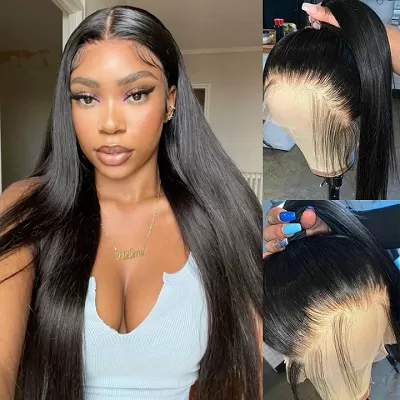
Most lace wigs are built to be worn down. A closure or a lace front gives you a natural hairline at the front, and the rest of the wig — the sides and the back — is wefted and covered by hair. That works beautifully until you want to pull your hair up. Lift a lace front into a high ponytail and the nape shows wefts and cap.
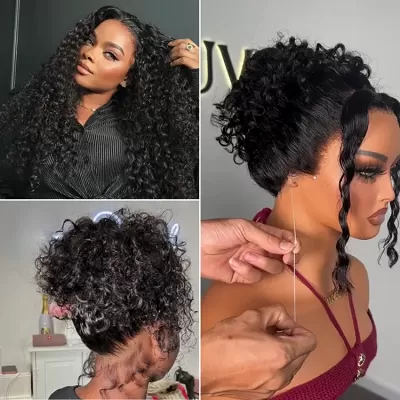
A 360 lace wig fixes that. The lace runs around the entire perimeter of the head — front, temples, behind the ears and across the nape — so there's a natural-looking hairline wherever you pull the hair from. High ponytails, top knots, buns and braided updos become possible.
It's the most versatile construction most people will ever buy. It's also the one that takes the most fitting work. This guide explains both sides so you can decide whether a 360 is the right wig for you.
What a 360 lace wig is
On a 360 wig, a band of lace runs all the way around the outside edge of the cap, like a halo. Inside that band — usually across the crown — the cap is often wefted or has a lace parting area, depending on the design. Some 360 units also have a deeper lace panel at the front for parting.
Compare:
- Closure (4x4, 5x5) — lace patch at the top-front only.
- Lace front (13x4, 13x6) — lace from ear to ear across the front only.
- 360 lace — lace around the whole perimeter, including the nape.
- Full lace — the entire cap is lace, crown included.
Our cap constructions guide compares them all.
What a 360 lets you do
- High ponytails — the classic reason to buy one. The nape looks like a hairline, not a cap.
- Top knots and high buns.
- Braided updos and half-up styles from any angle.
- Slicked-back styles with a natural hairline all round.
- Parting at the front, like a lace front.
The trade-offs
More lace to fit and maintain
The lace around the back and sides has to sit flat too. With the hair down, it's hidden; with the hair up, it's on show. Expect fitting to take longer than a lace front — often 30 minutes or more until you've practised.
Fewer glueless options
Lace all the way around is harder to hold flat with combs and straps alone, especially at the nape. Some 360 units are sold as glueless; many wearers still use a melt band or, for updos, adhesive at specific points. If you'd rather never use adhesive, check the listing carefully and read the reviews of the fit on the retailer's site.
More delicate lace
More lace means more lace to tear. A 360 rewards careful, gentle handling.
Price
360 and full-lace wigs usually start higher than lace fronts, because there's more hand-tied hair. The construction-by-construction medians on our comparison page show where 360 sits against the others.
Who should buy a 360
- You wear your hair up regularly — ponytails, buns, updos.
- You want one wig that can do everything, rather than a wardrobe of units.
- You have special occasions coming — weddings, proms, performances — where an updo is planned. See bridal and special occasion wigs.
- You're comfortable fitting lace, or willing to learn.
Who should probably skip it
- You always wear your hair down. You'd be paying for lace you never show.
- It's your first lace wig. Start with a glueless closure or 7x5 to learn fitting first.
- You want the quickest possible routine. A 360 is not a five-minute wig.

What to check on a 360 listing
Lace depth at the front
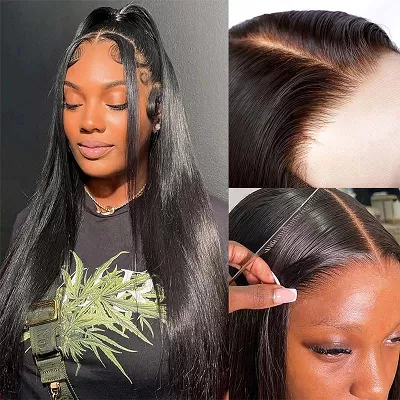
Some 360 wigs have a narrow lace band all round with very little depth at the front for parting; others add a deeper frontal-style panel. If you want to part your hair as well as wear it up, check the front depth.
Lace type
HD lace looks most convincing at the nape when you're photographed from behind; transparent lace is more durable. With this much lace, durability is worth considering. See HD vs transparent.
Pre-plucked all round
A 360's hairline needs plucking at the nape and sides as well as the front. Look for "pre-plucked 360" rather than just a pre-plucked front.
Baby hairs at the nape
Some 360s include short baby hairs around the back hairline, which makes a high ponytail look more natural.
Density
360 units are often sold in high densities for a full, voluminous updo. A high ponytail at 250% is dramatic — and heavy. If you'll wear it up for long periods, consider 180%. See high density wigs.
Cap size and straps
A secure fit matters even more when the hair is pulled up, because the weight of a ponytail pulls on the cap. Measure your head and choose the right size.
How to fit a 360 lace wig
- Prep your hair very flat, including at the nape. Cornrows going straight back are ideal.
- Put on a wig cap close to your skin tone, smoothing the back as carefully as the front.
- Adjust the straps for a snug fit.
- Place the wig, aligning the front lace with your hairline and the back lace with your nape.
- Secure the combs.
- Trim the lace if needed, all the way around, in small zig-zag snips.
- Lay the lace: a melt band around the front and sides; for the nape, a scarf tied low around the back of the head works well.
- Style. For a high ponytail, brush the hair up from all sides and secure it with a soft elastic, then lay the edges at the nape with a soft brush.
If you plan to use adhesive at the nape for long updos, read adhesives and safe removal and patch testing first.
Styling ideas
- Sleek high ponytail with laid edges all round.
- Top knot bun, slightly messy for a casual look.
- Two high puffs or space buns.
- Braided crown — braid the front and sides back into a bun.
- Half-up high pony with the rest down.
- Low slicked bun for a formal look.
- Down with a side part — it still works as a regular lace wig.
Taking care of the lace all round
- Let the hair down at night. Sleeping in a tight ponytail strains the lace and the knots.
- Remove the wig gently, starting from the nape and lifting forward.
- Wash the whole lace perimeter with diluted shampoo and fingertips.
- Avoid tight elastics on the ponytail — they snap hair. Use soft coils or scrunchies.
- Store it on a stand so the nape lace isn't folded.
Which retailers to look at
By the "Strongest on" measure on our comparison page, Amanda Hair's range leans toward 360 and full-lace caps — and heavy densities — more than any other retailer here. That means they have more 360 units to choose from; it isn't a quality ranking. Browse the Amanda Hair brand page and check Amanda's current codes, or see every retailer together on the 360 lace wigs page.
360 lace questions
Is a 360 the same as full lace?
No. A 360 has lace around the perimeter; full lace has lace across the whole cap. Full lace allows parting anywhere, including the crown; a 360 usually doesn't.
Can a 360 wig be glueless?
Some are sold as glueless. Holding the nape lace flat in a high ponytail without any adhesive depends on the fit, the straps and your hair. A snug cap and a scarf to lay the nape help a lot.
Is a 360 harder to put on than a frontal?
Yes — there's more lace to lay. Most people get faster with practice.
Can I wear a 360 down?
Absolutely. Worn down, it behaves like a lace front.
Is it worth it if I only wear a ponytail occasionally?
If you wear one for special occasions only, it can still be worth it — or consider a lace front for daily wear and a 360 for events.
A week in a 360: what daily wear looks like
Monday — worn down, middle part. Fitted like a lace front: lace laid at the front, the back simply covered by hair. Ten to fifteen minutes once practised.
Wednesday — half-up. Top section pulled to a clip at the crown, the rest down. The front and temple lace are on show, the nape still covered.
Friday — high ponytail. The full routine: nape laid with a scarf, edges brushed, ponytail secured with a soft elastic. Allow 30 minutes.
Overnight, every night. Hair down, wig off, onto a stand. Letting the lace relax is what keeps it flat and intact for the next updo.
Reading a 360 listing: a worked example
"360 Lace Frontal Wig Body Wave Pre-Plucked HD Lace 180% Density 22 Inch Natural Black"
- 360 Lace Frontal — lace all the way around the perimeter.
- Body Wave — glamorous in a high ponytail.
- Pre-Plucked — check that the nape and sides are plucked, not only the front.
- HD Lace — the most invisible at the nape in photos taken from behind.
- 180% Density — full but comfortable for updos.
- 22 Inch — enough length for a dramatic ponytail.
The perfect high ponytail on a 360
- Fit the wig and lay the lace all round — front, temples and nape.
- Brush the hair up from every direction toward the crown with a soft paddle brush.
- Smooth the nape carefully; it's the area most people check.
- Secure with a soft, covered elastic — not a bare rubber band.
- Wrap a small section of hair around the elastic and pin it underneath.
- Lay the edges at the front and nape with a soft brush and light hold.
- Set with a light hold spray.
360 vs full lace
Both let you wear your hair up; the difference is the crown:
- 360 — lace around the perimeter, usually wefted at the crown. Lighter and lower-priced; parting is mostly at the front.
- Full lace — lace across the entire cap. You can part anywhere, including the crown, and style it any way — but there's more delicate lace and it usually costs more.
For ponytails and buns, a 360 is enough for most people.
Common 360 mistakes
- Not laying the nape. The back is what makes a ponytail look real.
- Tight elastics. Snap hair and strain the lace.
- Sleeping in an updo.
- Very high density for long updo days. Heavy at the crown.
- Skipping the cap at the nape. Wrinkles show through lace when your hair is up.
More 360 questions
Is a 360 hot to wear?
Lace is breathable, so a 360 isn't hotter than a lace front — and wearing your hair up can actually keep you cooler.
Can I braid a 360 into cornrows?
Some people style the wig's hair into braided updos; keep braids loose to protect the knots.
How long does a 360 last?
It depends on care — gentle handling of the perimeter lace, especially the nape, is what extends its life.
The short version
A 360 lace wig puts a natural hairline all the way round your head, so you can wear your hair up. It costs more, takes longer to fit and needs more careful handling than a lace front. It's the right buy if you love ponytails and updos; if you always wear your hair down, a lace front gives you the same look for less.
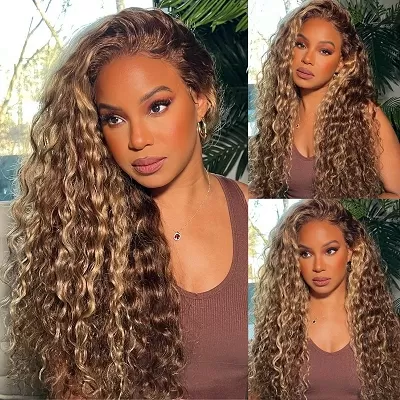
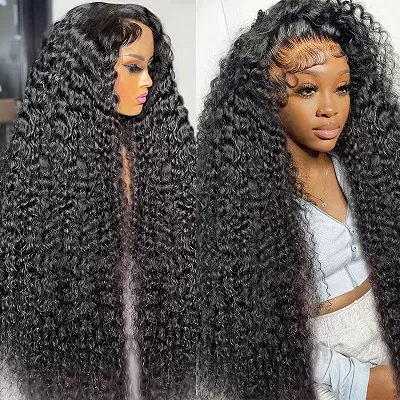
Browse every 360 lace wig, compare constructions on our wig comparison page, and check today's coupon codes before you buy.
Browse what this covers
Now you know what to look for
Put it to work. Answer five quick questions about the look you want and how you'll wear it, and we'll match you to one wig — with the reasons why, so you can judge it for yourself.
Find my match →Or see every wig compared by lace, density and price — and before you pay, today's wig coupon codes.