Density
Texture
Volume, 130% to 250%
Illustration of the volume at 130%, 150%, 180%, 200% and 250% density, 180% marked130%150%180%200%250%

The same head and length at each density, from behind.

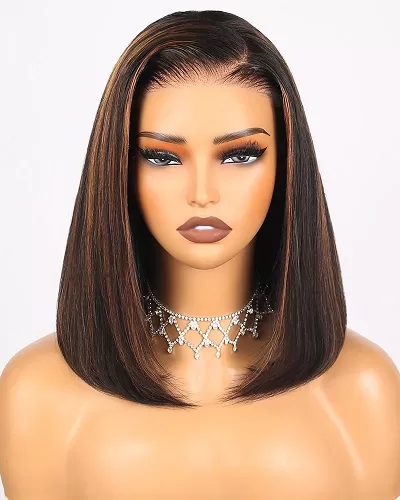
At the parting
Illustration of a parting at 180% density, straight hair, seen from above

Seen from above. The less scalp that shows, the fuller it looks.

180% — full. Visibly more hair than most people grow, without looking heavy. The most common density among the wigs we list.

About 20% more hair than a 150% wig of the same length, which also means more weight and more to wash.

1,103 of the 2,847 wigs we list are sold at 180–199% density, with a middle price of $139.64.

Density isn't standardised: one retailer's 200% can look like another's 180%. Compare photos of the actual unit, not only the number.

Shop 180–199% wigs →

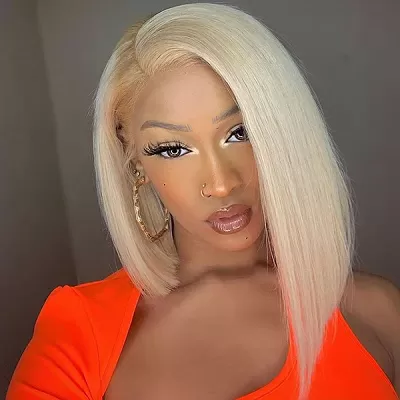
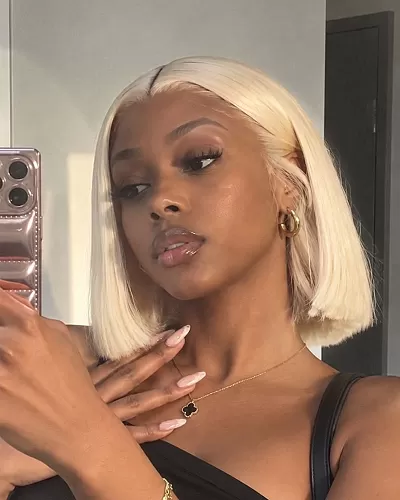
Straight wigs at 180% 285 in all

What wig density means

Density is how much hair is sewn into the cap, as a percentage of a baseline. Most people's own hair is somewhere around 100% to 130%, which is why 150% is the usual pick for a wig that looks like your own and 180% the most common one sold. Above 200% is a deliberate, full look.

A few things change the effect more than the number. Waves and curls look fuller than straight hair at the same density. Longer hair carries the same density over more length, so it's heavier. Many wigs are also made lighter at the hairline and fuller at the back, which keeps the parting natural even at a high density. See wig density explained for more.

More tools