Cutting a Human Hair Wig at Home: Layers, Face-Framing and Bangs
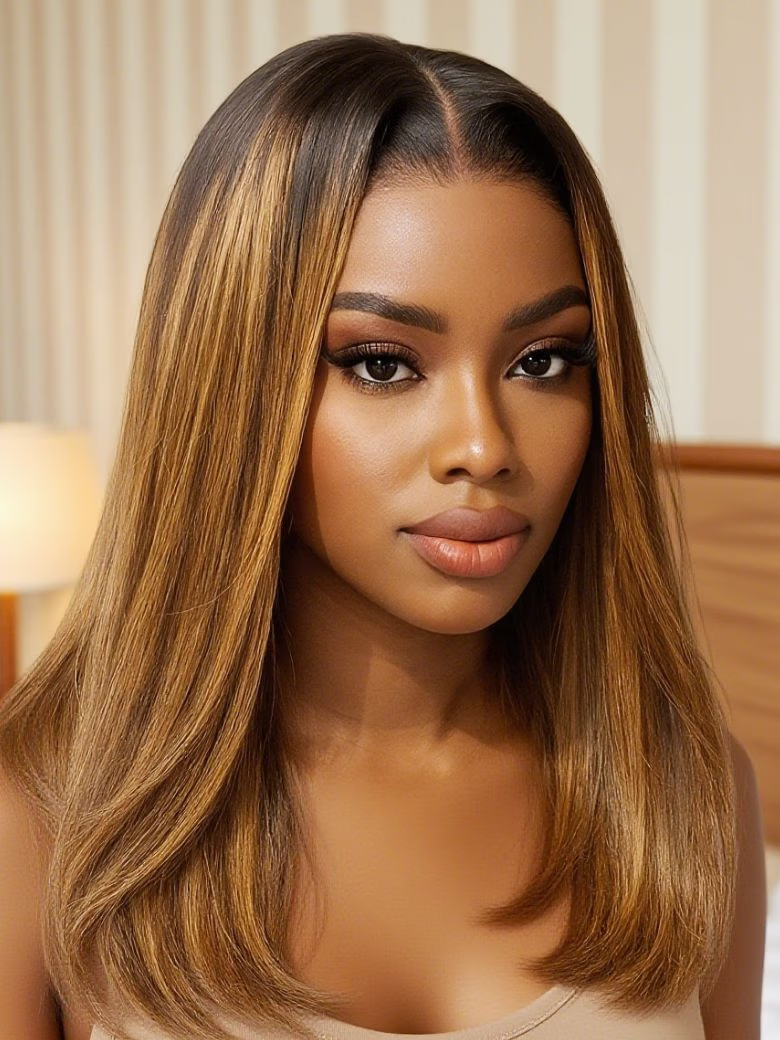
A few careful cuts turn a straight-off-the-box wig into one that looks like your haircut. How to cut layers, face-framing pieces and bangs — and when to leave it to a stylist.
Customising a wig yourself — plucking, bleaching knots, colouring and toning — with the risks stated plainly and when to buy the finished version instead.
A few careful cuts turn a straight-off-the-box wig into one that looks like your haircut. How to cut layers, face-framing pieces and bangs — and when to leave it to a stylist.
The right wig colour has less to do with your skin's depth than its undertone. How to find yours in two minutes, and which blondes, browns, reds and highlights suit warm, cool and neutral skin.
The two techniques that make a wig look real — and the two most likely to ruin a new one. Done slowly, with the safety steps that matter, and with an honest account of what can go wrong.
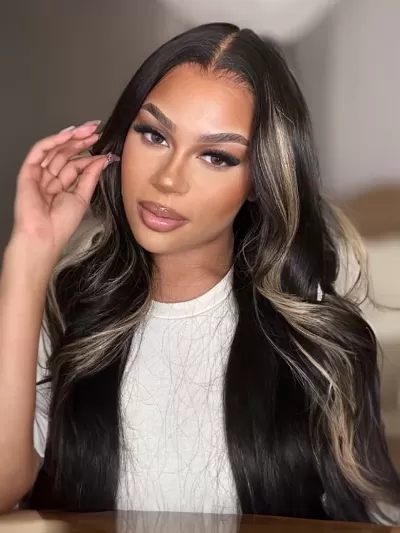
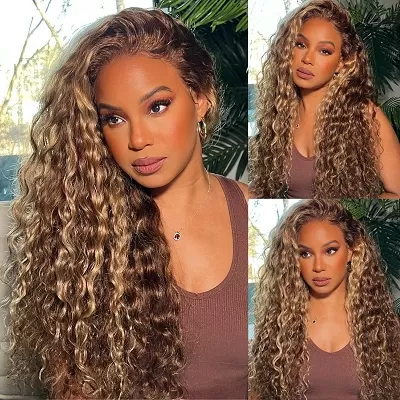
Highlights, balayage, piano colour and ombré all add dimension without going fully blonde. What each technique looks like, who it suits, and how to keep colour bright on a wig.
Bleached knots hide the tiny dark dots where hair is tied to lace. Why buying them done beats bleaching at home, what to look for on a listing, and how to care for them.
A pre-plucked hairline is the biggest single upgrade on a lace wig. What plucking does, how to judge a pre-plucked listing from its photos, and how to finish the job safely at home.
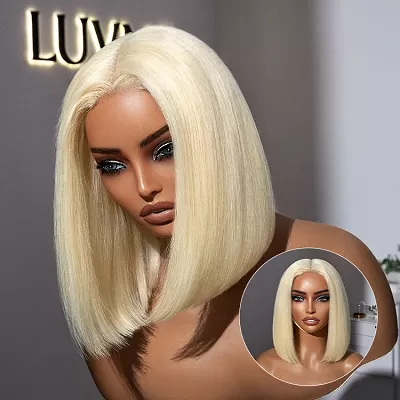
613 is the lightest blonde a human hair wig comes in — and the most delicate. What the number means, how to choose one that suits your skin, and how to keep it from turning brassy or dry.
Wig hair is already processed before you get it, so it does not behave like hair on a head. What lifts, what only deposits, how to fix brassiness, and when to leave it alone.
Five quick questions about the look you want and how you'll wear it, and we'll match you to one wig — with the reasons why.
Find my match →