Choosing a Wig Colour for Your Undertone (Without a Colour Consultation)
The right wig colour has less to do with your skin's depth than its undertone. How to find yours in two minutes, and which blondes, browns, reds and highlights suit warm, cool and neutral skin.
Bulqq is reader-supported: when you buy through a link on this page we may earn a commission, at no extra cost to you. It never changes what we recommend — the product rows here are pulled from live listings, newest first.
You've probably seen it happen: two people with similar skin tones try the same hair colour, and it looks stunning on one and slightly off on the other. The difference is almost never how light or dark their skin is. It's their undertone.
Undertone is the subtle colour beneath the surface of your skin — warm, cool or neutral. It's what decides whether a golden blonde makes you glow or look sallow, whether burgundy looks rich or harsh, whether copper lights you up or clashes.
The good news: you can work out your undertone in a couple of minutes at home, and once you know it, choosing a wig colour gets a lot easier. This guide shows you how.
Undertone vs skin tone
These are two different things.
- Skin tone (depth) — how light or deep your skin is: fair, light, medium, tan, deep.
- Undertone — the hue beneath: warm (golden, peachy, yellow), cool (pink, red, blue) or neutral (a balance).
Every depth comes in every undertone. Someone with very deep skin can be cool; someone with very fair skin can be warm. Your undertone doesn't change with a tan, either — only your depth does.
Four ways to find your undertone
Try all four and go with the majority.
1. The vein test
Look at the veins on the inside of your wrist in natural daylight.
- Mostly green → warm.
- Mostly blue or purple → cool.
- A mix, or hard to tell → neutral.
2. The jewellery test
- Gold flatters you more → warm.
- Silver flatters you more → cool.
- Both look good → neutral.
3. The white fabric test
Hold pure white fabric next to your bare face, then cream or off-white.
- Cream looks better → warm.
- Pure white looks better → cool.
- Both work → neutral.
4. The sun test
- You tan easily and rarely burn → often warm.
- You burn easily, or turn pink → often cool.
(This one's less reliable on deeper skin, which may not burn visibly either way.)
Wig colours for warm undertones
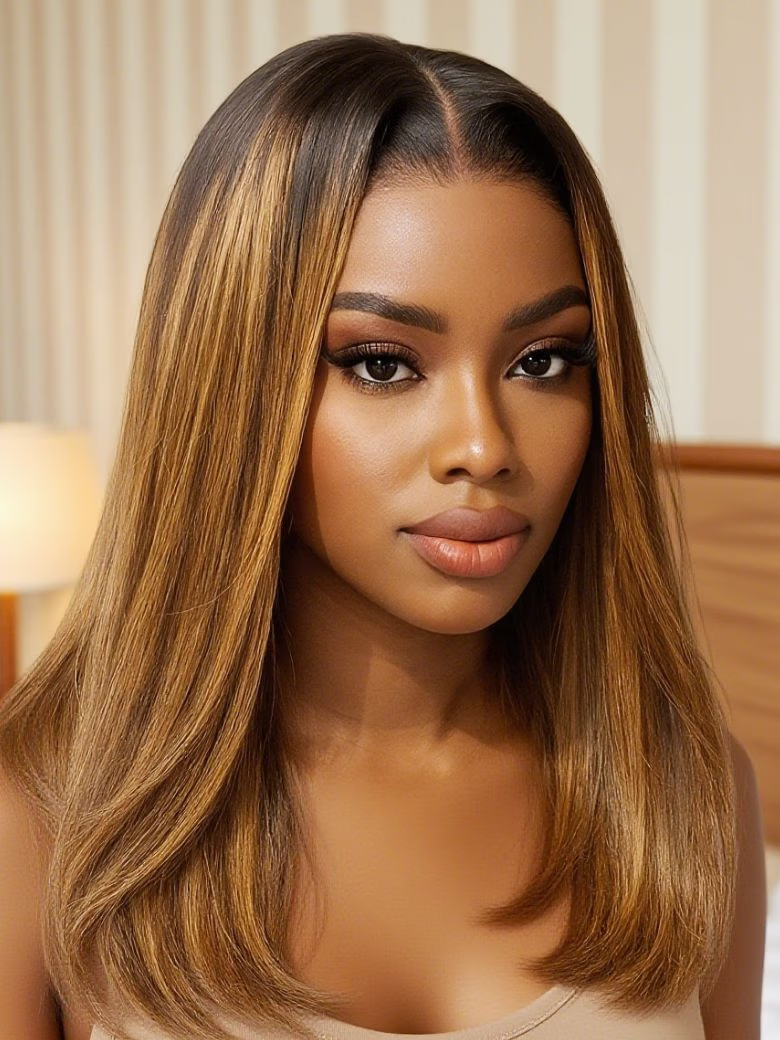
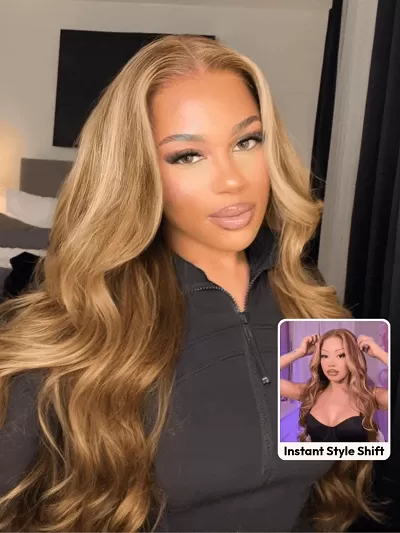
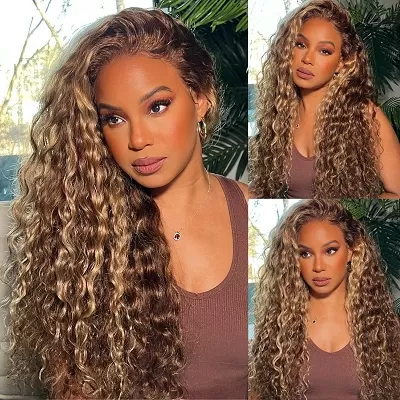
Warm undertones have golden, peachy or yellow hues. Warm hair colours echo that glow.
- Blondes: honey (#27), golden, caramel, strawberry blonde.
- Browns: chestnut, caramel, golden brown, #4 chocolate with warm tones.
- Reds: copper, ginger, auburn (#30). See ginger and copper wigs.
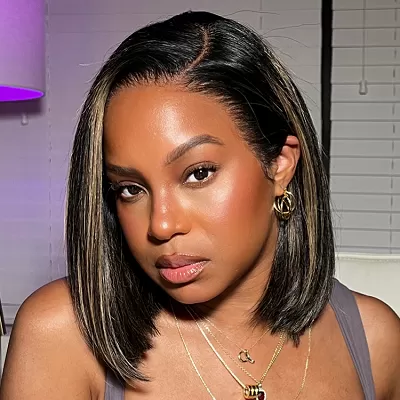
- Highlights: honey, caramel and copper over brown or black.
- Be careful with: ash blondes and very cool, blue-black shades, which can make warm skin look dull.
Wig colours for cool undertones
Cool undertones have pink, red or bluish hues. Cool hair colours complement them.
- Blondes: ash, beige, platinum, icy 613. See 613 blonde wigs.
- Browns: ash brown, mocha, cool chocolate, espresso.
- Reds: burgundy, 99J, plum, cool wine. See burgundy and 99J wigs.
- Black: jet black (#1) and natural black (#1B) both work beautifully.
- Highlights: ash or beige blonde, or burgundy, over a dark base.
- Be careful with: very golden, brassy or orange shades.
Wig colours for neutral undertones
Neutral undertones can wear most colours. Lucky you.
- Safe bets: #4 chocolate brown, honey blonde with a dark root, soft balayage.
- Bold options: almost anything — copper, burgundy, platinum.
- Tip: if a colour looks slightly off, try a version a little warmer or cooler.
How depth changes the choice
Undertone tells you warm or cool; depth tells you how much contrast you want.
- Low contrast (a colour close to your skin depth) — soft, natural, subtle.
- High contrast (very light hair on deep skin, or very dark hair on fair skin) — bold, striking, editorial.
Both are valid. If you want a natural look, stay closer; if you want impact, go further. A dark root softens high contrast at the hairline.
Five colours that flatter almost everyone
If you'd rather not test anything, these shades suit the widest range of people:
- Natural black (#1B) — soft black, never harsh.
- #4 chocolate brown — warm-neutral and flattering.
- Honey blonde with a dark root — warm, soft, sunlit.
- Soft balayage — dimension without commitment. See highlight and ombré wigs.
- 1B/99J burgundy ombré — rich colour with a natural root.
Don't forget your eyes and brows
- Eyes: colours that contrast with your eye colour make them pop — copper with green eyes, burgundy with brown eyes, ash blonde with blue.
- Brows: a big gap between brow and hair colour can look deliberate or jarring. A tinted brow gel bridges it without permanent dye.
Test before you commit
- Hold the wig (or the product photo on your phone) next to your bare face in daylight.
- Look at the colour in natural-light photos on the listing, not just studio shots.
- Try it on before cutting any lace, and look at it indoors and outdoors.
- Start with a softer version — dark roots, highlights, or a lighter commitment like a bob.
And if you want to experiment, a wig is the lowest-risk way there is. Our guide to trying a new look without the risk explains why.
Which colours to browse
- Blonde wigs — honey, golden, ash and platinum.
- 613 blonde wigs — the lightest blonde.
- Brown wigs — chocolate, chestnut, caramel.
- Burgundy and 99J wigs — cool, wine-red tones.
- Ginger and copper wigs — warm reds.
- Highlight and ombré wigs — blended colour.
Undertone questions
Can my undertone change?
No — your depth changes with a tan, but your undertone stays the same.
What if I'm a mix of warm and cool?
That's neutral. You can wear most colours; lean toward whichever looks best on the day.
Does undertone matter for black hair?
A little — jet black (#1) can look harsh on some warm undertones; natural black (#1B) is softer and suits almost everyone.
Is it the same for lace colour?
Lace matching is about your skin's depth and colour rather than undertone. Read matching lace colour to your skin tone.
A quick undertone-to-colour cheat sheet
Warm undertone
- Safest first colour: honey blonde with a dark root, or #4 chocolate with caramel highlights.
- Bold option: bright copper or golden blonde.
- Skip or soften: ash blonde, icy platinum, blue-black.
Cool undertone
- Safest first colour: #4 chocolate or cool espresso brown, or 1B/99J burgundy ombré.
- Bold option: platinum 613 or deep plum.
- Skip or soften: brassy golden blonde, orange copper.
Neutral undertone
- Safest first colour: #4 chocolate or soft honey balayage.
- Bold option: almost anything — copper, burgundy, platinum.
- Skip or soften: nothing in particular; adjust warmer or cooler if something looks slightly off.
How the same colour looks on different undertones
Take one shade — honey blonde (#27) — and imagine it on three people with similar skin depth:
- Warm undertone: the gold in the honey echoes the gold in the skin. The face looks bright and glowing.
- Neutral undertone: honey looks balanced and natural.
- Cool undertone: honey can make pinkish skin look slightly ruddy. A cooler beige blonde, or honey with a darker root, softens the effect.
Now take burgundy:
- Cool undertone: the violet in burgundy flatters pink and blue tones — very harmonious.
- Neutral undertone: looks rich and balanced.
- Warm undertone: a cool plum-burgundy can clash slightly; a redder wine or a copper is warmer and more flattering.
The point isn't that anyone "can't" wear a colour. It's that a small shift — warmer or cooler, lighter or darker at the root — can make the same colour family work for you.
Using your wardrobe as a clue
Look at the clothes you get the most compliments in:
- Earth tones, olive, mustard, rust, cream — often a sign of a warm undertone. Warm hair colours will likely suit you.
- Jewel tones, navy, emerald, berry, pure white — often a sign of a cool undertone. Cool hair colours will likely suit you.
- A bit of everything — likely neutral.
Testing colours without buying them
Before you commit to a colour:
- Hold photos of wigs next to your face in daylight, on your phone or a screen.
- Try a coloured scarf in a similar shade around your head and shoulders.
- Use a virtual try-on app or a photo editor to get a rough idea.
- Start with a softer version — highlights, a dark root, or a bob — before going all-over.
Colour and lace
Undertone matters for hair colour. For lace, what matters is matching the lace to your skin's depth and colour — HD lace adapts to the most tones, and a dab of foundation or a matching cap does the rest. See matching lace colour to your skin tone and HD lace vs transparent lace.
Common colour-choosing mistakes
- Choosing by depth alone and ignoring undertone.
- Trusting one studio photo. Look for several, including daylight.
- Going from natural black straight to platinum without a softer step in between, unless the drama is the point.
- Ignoring brows. A big gap between brow and hair colour is a choice — make it deliberately.
- Forgetting care. Lighter and redder colours need gentler, colour-safe care.
More undertone questions
Can I find my undertone from a photo?
Photos are unreliable — lighting and filters change skin colour. Use the vein, jewellery and fabric tests in natural daylight.
Does make-up change which hair colours suit me?
Make-up can shift your look warmer or cooler. Warm bronzer and peach blush pair with warm hair colours; rosy tones pair with cool ones.
Is there a colour that suits literally everyone?
Natural black (#1B) and soft chocolate brown come closest.
Your colour decision guide
- Find your undertone — vein, jewellery, white fabric and sun tests in daylight.
- Decide on contrast — soft (a colour close to your skin depth) or bold (a big difference).
- Choose a family — black, brown, blonde, red or highlights.
- Choose the warmth — warm, neutral or cool within that family, to match your undertone.
- Choose the root — a dark root makes almost any colour softer and easier to wear.
- Choose the commitment — a bob or highlights for a first try; all-over long colour once you're sure.
Colour at a glance
- Warm undertone, first try: honey blonde with a dark root, or chocolate with caramel highlights.
- Cool undertone, first try: cool chocolate brown, or 1B/99J burgundy.
- Neutral undertone, first try: #4 chocolate or honey balayage.
- Anyone, lowest risk: natural black (#1B).
The short version
Find your undertone with the vein, jewellery, white fabric and sun tests. Warm undertones glow in honey, caramel, copper and golden browns; cool undertones shine in ash, platinum, burgundy and cool browns; neutrals can wear almost anything. Use depth to decide how much contrast you want, and a dark root to soften it.
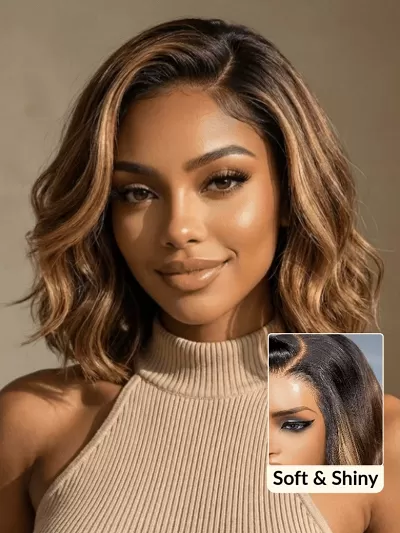
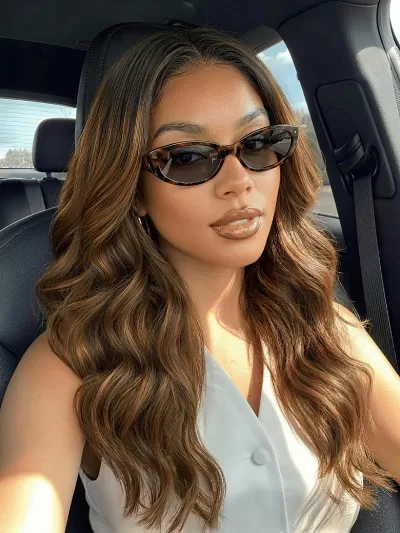
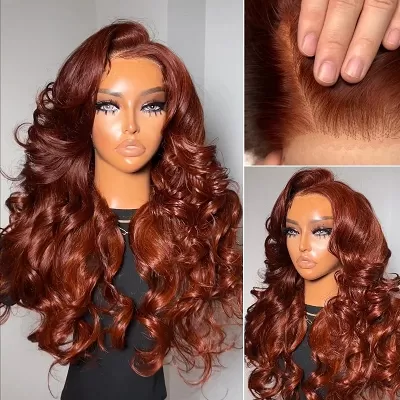
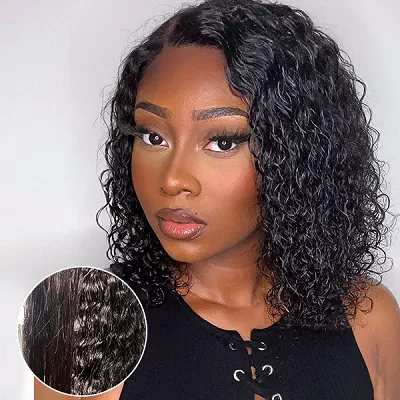
Ready to try colour? Browse highlight and ombré wigs for a gentle start, and check today's coupon codes before you buy.
Browse what this covers
Now you know what to look for. Find yours in a minute.
Answer five quick questions about the look you want and how you'll wear it, and we'll match you to one wig, with the reasons why and the best code to take off it.
Find my match →Or go straight to the 504 blonde wigs.
Or see every wig compared by lace, density and price — and before you pay, today's wig coupon codes.