Highlight and Ombré Wigs: Salon Colour Without the Salon
Highlights, balayage, piano colour and ombré all add dimension without going fully blonde. What each technique looks like, who it suits, and how to keep colour bright on a wig.
Bulqq is reader-supported: when you buy through a link on this page we may earn a commission, at no extra cost to you. It never changes what we recommend — the product rows here are pulled from live listings, newest first.
Not everyone wants to go fully blonde, fully red or fully anything. Highlights and ombré give you the in-between: dimension, movement, a sun-kissed glow or a dramatic fade — while keeping some of the depth of a darker base.
On your own hair, those looks take hours in a salon chair, repeated lightening and regular touch-ups. On a wig, they arrive done. The colour is already in, the blend is already right, and your own hair never meets a drop of bleach.
This guide explains the different colour techniques you'll see on wig listings, who each suits, how to choose, and how to keep the colour looking fresh.
The techniques, explained
Wig listings use the same terms as salons — and sometimes use them loosely. Here's what each usually means.
Highlights
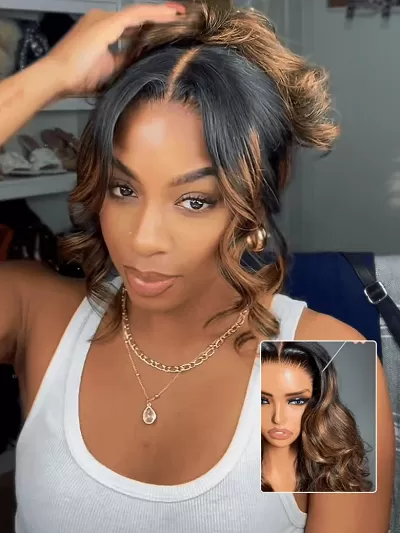
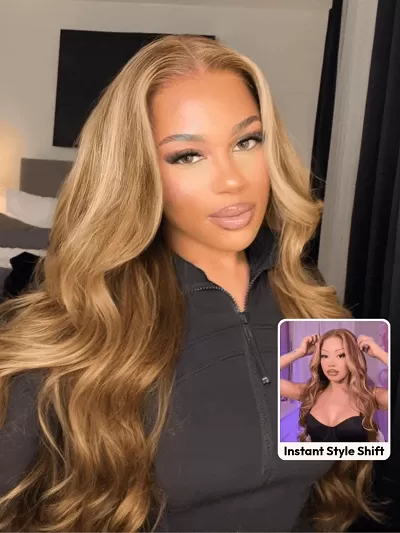
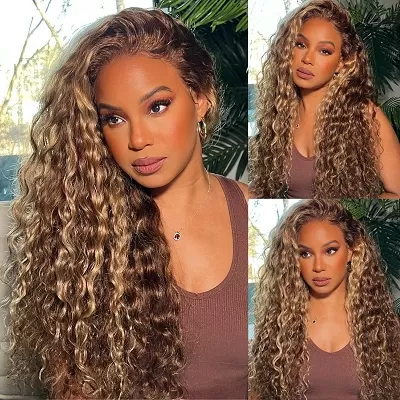
Thin strands of a lighter colour woven through a darker base, from root (or near the root) to tip. The effect is dimensional and bright. Highlights can be subtle (a shade or two lighter) or high contrast (blonde on black).
Piano highlights
Alternating chunks or strips of two colours — say, black and blonde, or brown and honey — that create a striped, high-contrast look. Named after piano keys. Bold and fashion-forward.
Balayage
A hand-painted technique where colour is swept onto the surface of the hair in soft, graduated sections, usually lighter toward the ends. It looks natural and sun-lit, with no harsh lines. On wigs, "balayage" usually means a soft, blended highlight with a darker root.
Ombré
A gradient from a dark root to a lighter end, with a visible transition across the length. Classic ombré goes from natural black or brown to blonde, honey or red.
Sombré
A "soft ombré" — a subtler, more blended gradient.
Root shadow / dark roots
The lengths are lighter, with a darker root — popular on blonde and 613 wigs for a natural, grown-out look.
Money piece
Bright, lighter face-framing sections at the front, with the rest of the hair darker. A modern, face-brightening look.
Who each look suits
- Balayage and soft highlights — the most universally flattering and the most natural. Great for a first coloured wig.
- Ombré — bold but easy to wear, because the darker root keeps the hairline natural.
- Piano highlights — fashion-forward and high contrast. Best if you love a statement.
- Money piece — brightens the face without committing to an all-over colour. Brilliant for photos.
- Root shadow blonde — for anyone who wants blonde with a softer, more natural hairline.
Choosing colours for your skin tone
- Warm undertones: honey, caramel, golden and copper highlights over a brown or black base.
- Cool undertones: ash, beige and cool-toned blondes; burgundy also works.
- Neutral undertones: almost anything — honey balayage is a safe bet.
- Deep skin: honey, caramel and copper highlights glow; high-contrast blonde piano looks bold and modern.
- Fair skin: soft beige or ash balayage; avoid very dark bases that overpower.
Our guide to choosing a wig colour for your undertone has more detail, and blonde wigs for every skin tone covers blonde shades specifically.
Why the darker root helps
Most highlight and ombré wigs keep a darker colour at the root. That has practical advantages:
- The hairline looks more natural, especially on medium and deep skin.
- The knots are less visible than on an all-over blonde.
- The lace blends more easily.
- It looks like real colour that's grown out a little — very believable.
What to check on the listing
- Colour photos in natural light. Studio lights can make highlights look brighter and cooler than they are.
- Where the colour starts — at the root, mid-length, or only at the ends?
- Colour codes. Listings often use codes like "1B/27" (natural black to honey blonde) or "4/27" (brown with honey highlights).
- Construction and lace — the same choices as any wig. A 13x4 lets you show off a money piece when the hair is swept back.
- Texture. Highlights look especially good on body wave and loose wave, where the waves show off the dimension. Browse body wave and loose wave.
Caring for coloured wigs
The lighter sections in a highlight or ombré wig have been lightened, which makes them more delicate than the darker base.
Washing
- Sulfate-free, colour-safe shampoo.
- Cool to lukewarm water — hot water fades colour.
- Wash less often — every 7–10 wears.
- Condition every time, mask every week or two.
Protecting the colour
- Occasional purple shampoo on blonde highlights to stop brassiness.
- Avoid strong sun and chlorine.
- Store on a stand out of direct sunlight.
Heat
- Low heat on the lighter sections. Start around 120–150°C (250–300°F).
- Always use a protectant.
Our heat tools guide has more, and our hair care category stocks colour-safe products.
Buy the colour done, don't DIY it
Adding highlights to a dark wig yourself means bleach, foils, timing and the risk of uneven, brassy, over-processed results — plus the chemical safety precautions. Our colouring and toning guide explains why buying the colour you want is usually the better choice, and our chemical safety checklist covers what's involved if you do go ahead.
Styling to show off colour
- Loose curls or waves — the movement shows off every tone.
- Half-up styles — reveal the contrast between top and underneath.
- A money piece swept back — face-framing colour at its best.
- Braids — piano highlights look incredible braided.
- Sleek straight — ombré gradients look striking dead straight.
Which retailers to look at
Highlight, balayage and ombré wigs are sold across the retailers we list. Browse every coloured style together on the highlight and ombré wigs page, or see blonde wigs and brown wigs for all-over shades.
Highlight and ombré questions
Do highlight wigs look natural?
Balayage and soft highlights with a darker root look very natural. Piano highlights are a deliberate statement.
Will the colour fade?
Slowly, with washing and sun. Colour-safe products and cool water slow it down.
Is ombré or balayage better for a first coloured wig?
Balayage is softer and more natural; ombré is bolder but still easy to wear. Both keep a darker root, which makes them easier than all-over blonde.
Do highlight wigs need special care?
The lighter sections need the gentle, moisture-focused care of a blonde wig.
Reading colour codes on highlight wigs
Highlight and ombré listings usually describe colour with codes. The common patterns:
- "1B/27" — natural black and honey blonde. Often an ombré from black roots to honey ends.
- "4/27" — chocolate brown with honey highlights.
- "P4/27" or "P1B/30" — the "P" often means piano (alternating strips) colour.
- "T1B/613" — the "T" often means two-tone ombré, black to platinum.
- "Balayage" or "highlight" in the title — describes the technique.
- "Money piece" — brighter face-framing sections.
Conventions aren't perfectly consistent between retailers, so always confirm with the photos.
Choosing a technique by how much maintenance you want
- Lowest maintenance: soft balayage or ombré with a dark root — the hairline stays natural and any brassiness at the ends is less noticeable.
- Moderate: highlights from near the root — lighter sections are close to the face, so keep them toned.
- Higher maintenance: piano highlights and money pieces — high contrast shows fading and brassiness more.
Matching highlights to texture
- Body wave and loose wave — the best showcase for balayage; the waves reveal different tones as they move.
- Straight — shows ombré gradients and piano stripes clearly and evenly.
- Deep wave and water wave — highlights add dimension to defined waves.
- Curly and kinky curly — honey or copper highlights through curls look warm and natural.
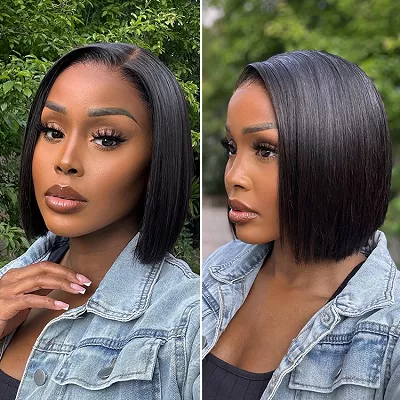
- Bob — a money-piece bob is a fresh, modern look. See bob wigs for everyday wear.
Keeping highlights bright
The lighter sections fade and brass first. A simple maintenance plan:
- Every wash: colour-safe, sulfate-free shampoo in cool water; conditioner; leave-in.
- Every few washes: purple shampoo on blonde highlights only, left on briefly.
- Weekly: a moisturising mask, focusing on the lighter sections.
- Always: heat protectant and low heat on lighter sections.
- Outdoors: a hat or UV spray in strong sun.
Highlights for different occasions
- Work: soft balayage on chocolate brown — dimension without drama.
- Weekend: honey ombré on body wave — sun-kissed and relaxed.
- Evening: a bright money piece framing your face, curled.
- Statement: high-contrast piano highlights, braided or sleek straight.
Common mistakes with coloured wigs
- Buying high-contrast highlights for a low-maintenance life. They show wear sooner.
- Washing in hot water. Fades colour.
- Using purple shampoo on non-blonde highlights. It does nothing useful on copper or burgundy.
- Applying high heat to the lighter sections. They're the most fragile.
- Judging colour from one studio photo. Look for several, including daylight.
Highlights vs all-over colour
If you're deciding between a highlighted wig and an all-over colour:
- Highlights keep a darker base, which is easier to blend at the hairline and lower maintenance.
- All-over colour gives maximum impact, but lighter all-over shades are more delicate and need more toning.
A highlighted wig is often the best first step into colour. Read blonde wigs for every skin tone when you're ready to go further.
More highlight questions
Can I add highlights to my wig with a toner?
Toner adjusts the tone of hair that's already light; it can't lighten dark hair. Adding highlights requires bleach — see our colouring and toning guide and chemical safety checklist.
Which highlight colour is most flattering?
Honey and caramel suit the widest range of skin tones.
Will the highlights look different in person?
Often slightly. Studio lighting and screens change colour. Look at multiple photos, and try the wig on in daylight before cutting the lace.
The short version
Highlights, balayage, ombré and piano colour add dimension without going fully blonde, and keep a darker root that makes the hairline look natural. Choose colours that suit your undertone, look for natural-light photos, and care for the lighter sections like a blonde wig: colour-safe products, cool water, low heat and occasional purple shampoo.
Browse every highlight and ombré wig, and check today's coupon codes before you buy.
Browse what this covers
Now you know what to look for. Find yours in a minute.
Answer five quick questions about the look you want and how you'll wear it, and we'll match you to one wig, with the reasons why and the best code to take off it.
Find my match →Or go straight to the 820 highlight & ombré wigs.
Or see every wig compared by lace, density and price — and before you pay, today's wig coupon codes.