Wig Caps, Grip Bands and Melt Bands: What Each One Actually Does
The small accessories that decide whether a wig sits flat, stays put and feels comfortable all day — what wig caps, grip bands, melt bands and combs do, and which you actually need.
Bulqq is reader-supported: when you buy through a link on this page we may earn a commission, at no extra cost to you. It never changes what we recommend — the product rows here are pulled from live listings, newest first.
Two people can buy the same wig and have completely different days in it. One finds it flat, secure and forgettable. The other spends the day pushing it back from her forehead and wondering why the lace keeps lifting. Very often the difference isn't the wig at all — it's the handful of inexpensive accessories underneath it.
This guide goes through the fitting accessories one by one: what each does, who needs it, what to look for, and when you can skip it. None of them involve adhesive or chemicals. If you're fitting your first wig, read it alongside our step-by-step glueless fitting guide.
Wig caps
What it does
A wig cap is a thin stretchy layer that goes over your own hair before the wig. It does three jobs:
- Flattens and contains your hair, so the wig sits evenly and doesn't ride up on a bump.
- Gives the wig a smooth base, which helps lace lie flat at the front.
- Keeps the inside of the wig cleaner, by catching oil and sweat from your scalp.
Types
- Nylon or mesh caps — the most common. Thin, breathable, inexpensive and usually sold in multipacks. Mesh is cooler; solid nylon holds hair flatter.
- Stocking caps — open at both ends, so you can use them as a cap or pull them down as a band.
- "HD" or sheer caps — very thin caps designed to sit under HD lace so the cap's edge doesn't show through.
- Silicone or velvet-lined caps — have grip built in, combining a cap and a grip band.
Choosing one
Match the cap to your skin tone, not your hair colour. Under lace, the cap is what shows through, so a cap close to your scalp's colour makes the lace look like skin. Several brands sell caps in a range of nude shades.
Who can skip it
If your hair is very short and lies flat, or you're wearing a headband wig over your own edges, you may not need one. Some people find caps warm in summer; a mesh cap is the compromise.
Grip bands
What it does
A wig grip band is a soft band — often velvet — that goes around your hairline like a wide headband and fastens at the back with velcro. It adds friction, so the wig doesn't slide, and it gives combs something to hold onto if your own hair is short, fine or thinning.
It also spreads pressure. Instead of combs and elastic pressing directly on your edges, the band takes the load, which is gentler on your hairline over months of wear.
Who needs it most
- Anyone whose wig slides backwards during the day.
- People with short hair, fine hair or thinning at the front, where combs have little to grip.
- Anyone wearing a wig for long hours, where comfort at the temples starts to matter.
What to look for
Adjustable velcro, a soft lining, and a width that sits behind your hairline without peeking out at the front. Several are sold together with wig caps as a set.
Melt bands (elastic bands for laying lace)
What it does
A melt band is a wide elastic band you tie or velcro around your hairline after the wig is on, usually for 10 to 20 minutes. It presses the lace flat against your skin so it "melts" into your hairline, without any adhesive.
It's the single most useful tool for a glueless lace wig. While the band is on, do your make-up; when you take it off, the lace is flatter and the hairline sits better.
What to look for
Wide, soft elastic with an adjustable fastening. Some wigs come with one sewn in at the back of the lace — check before buying a separate one.
Wig combs and clips
What they do
Combs sewn into the cap grip your own hair and stop the wig shifting. Most glueless wigs have them at the front, sides and sometimes the nape. Snap clips do a similar job and are common on half wigs and clip-ins.
When to add your own
If your wig has none, or only a back comb, you can sew in extra combs with needle and thread — an easy job with no risk to the hair or lace. A comb at the front is the most useful addition.
Edge tools: brushes and scarves
Edge brush
A small, soft brush for styling baby hairs and blending the hairline. A soft toothbrush works too. Use a gentle hold product, not a heavy gel that flakes and builds up on the lace.
Silk or satin scarf
Used two ways: tied around the hairline like a melt band after styling, and wrapped around the hair at night if you're sleeping in a sew-in or your own hair. It's also a useful styling accessory over a wig line.
Putting the layers in order
For a glueless lace wig, the order from your head outwards is:
- Your own hair, braided or flattened.
- Wig cap.
- Grip band (optional).
- The wig, combs secured, straps adjusted.
- Melt band on top for 10–20 minutes, then removed.
For a headband wig, it's usually just your own hair, a grip band if you like, and the wig.

A starter kit for your first wig
If you're starting from nothing, this is a sensible first basket — the fitting accessories, plus the care basics:
- A multipack of wig caps in your skin tone.
- One velvet grip band.
- One melt band (if your wig doesn't have one built in).
- A wide-tooth comb.
- A satin bonnet or silk scarf.
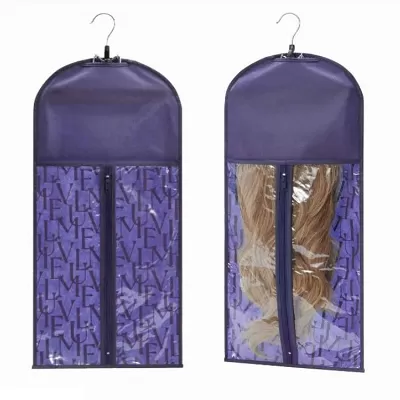
- A wig stand or mannequin head for storage.
- A gentle, sulfate-free shampoo and a moisturising conditioner.
Browse the accessories and hair care categories for all of these, and see our wig accessories buying guide for the longer list.
What about adhesives and tapes?
Glues and tapes are also sold as "wig accessories", but they're in a different category of risk. They go on skin, they need patch testing, and removing them carelessly damages both the lace and your hairline. If you want to use one, read adhesives and safe removal and how to patch test first.
For most people, a well-fitted glueless wig with a grip band and a melt band gives enough hold without adhesive at all.
Comfort problems these accessories solve
"My wig slides back by lunchtime."
Tighten the straps, then add a grip band. The extra friction is usually enough.
"My temples ache after a few hours."
The wig or the cap is too tight, or the combs are pressing in one spot. Loosen the straps, move the combs slightly, and use a grip band to spread the pressure.
"The cap shows through the lace."
Choose a cap closer to your skin tone, or a sheer HD cap. Make sure the cap's edge sits behind your hairline, not in front.
"My head gets hot."
Switch to a mesh cap, or skip the cap if your hair allows. A lower-density wig is cooler too — see our guide to wearing a wig in hot weather.
"The lace lifts at the front."
Use a melt band for 15 minutes after fitting, and check there's no bump of hair under the cap at the front.
Looking after the accessories themselves
- Wash wig caps and grip bands regularly — they absorb sweat and oil. Most can be hand-washed in mild soap and air-dried.
- Replace caps when they lose their stretch; a baggy cap doesn't flatten anything.
- Keep combs clean of product build-up so they keep their grip.
Which accessories for which wig?
Headband wig
- Wig cap: optional, depending on your hair.
- Grip band: optional; many have one built in.
- Melt band: not needed — there's no lace.
V-part or U-part wig
- Wig cap: optional; your leave-out goes through the opening.
- Grip band: helpful for security.
- Melt band: not needed.
Glueless closure or 7x5
- Wig cap: recommended.
- Grip band: recommended.
- Melt band: very useful for flat lace.
13x4 or 13x6 lace front
- Wig cap: recommended, in your skin tone.
- Grip band: recommended.
- Melt band: essential for a flat, glue-free hairline.
360 or full lace
- Wig cap: recommended, smoothed carefully at the nape too.
- Grip band: recommended.
- Melt band: front and sides; a scarf tied low for the nape.
Choosing the right size
- Wig caps — usually one size, stretchy. If you have very long or thick hair, look for "extra large" caps.
- Grip bands — adjustable with velcro; check the length suits your head circumference.
- Melt bands — adjustable; a wider band presses more lace at once.
If you're unsure of your head size, follow our head measuring guide.
Wig caps for different skin tones
Matching the cap to your skin matters most under lace, because the cap is what shows through. If you can't find an exact match:
- Go slightly darker rather than lighter on medium and deep skin — a lighter cap can look grey through lace.
- Use a little foundation or powder on the cap at the hairline and parting.
- Consider a sheer cap under HD lace.
Accessories for sensitive skin
If caps or bands irritate your skin:
- Choose cotton or bamboo liners instead of nylon.
- Wash new caps and bands before first use.
- Avoid tight elastic at the hairline.
- Take breaks, especially in hot weather.
If irritation persists, stop using the product and speak to a pharmacist or GP.
Do-it-yourself fixes with accessories
- Wig sliding back? Grip band, then tighten the straps one notch.
- Lace lifting at the temples? Melt band, or a scarf tied around the hairline for 10 minutes.
- Front comb not gripping? Sew in a second comb, or wear a grip band for it to hold onto.
- Cap showing at the nape? Pull the cap lower and tuck it in, or choose a cap in your skin tone.
- Itchy hairline? Switch to a softer cap or a cotton liner.
Common accessory mistakes
- Wearing a cap that's stretched out. Replace caps once they stop holding your hair flat.
- Leaving a melt band on all day. Ten to twenty minutes is enough; longer can leave marks and pressure.
- A grip band peeking out at the front. It should sit behind your hairline.
- Never washing grip bands. They absorb oil and sweat.
- Skipping the cap under lace and then wondering why the lace looks uneven.
More accessory questions
Can I use a stocking as a wig cap?
A clean, thin stocking cut and tied can work in a pinch, but purpose-made caps are more comfortable and come in skin tones.
Should the grip band go over or under the wig cap?
Usually over the cap, directly under the wig, so the wig's combs and cap grip it.
Do I still need a melt band if my wig has an elastic band?
The built-in elastic band holds the lace flat while you wear it; a melt band helps lay it flatter at the start. Many people use both.
The short version
A wig cap flattens your hair and gives the wig a smooth base. A grip band stops sliding and protects your edges. A melt band lays the lace flat without glue. Combs keep it all anchored. Together they cost a fraction of the wig and make the difference between a wig you fiddle with all day and one you forget you're wearing.
Shop the accessories category, pair them with a glueless wig, and check current codes before you pay.
Browse what this covers
Now you know what to look for
Put it to work. Answer five quick questions about the look you want and how you'll wear it, and we'll match you to one wig — with the reasons why, so you can judge it for yourself.
Find my match →Or see every wig compared by lace, density and price — and before you pay, today's wig coupon codes.