How to Care for Bundles and a Sew-In So They Last
Good bundles can be reused for more than one install — if you look after them. Washing, detangling, night care and removal for sew-ins, closures and frontals.
Bulqq is reader-supported: when you buy through a link on this page we may earn a commission, at no extra cost to you. It never changes what we recommend — the product rows here are pulled from live listings, newest first.
Human hair bundles are an investment in two ways. There's the cost of the hair, and there's the cost and time of the install itself. Look after both and good quality bundles can often be taken down, washed and reinstalled more than once. Neglect them and you'll be dealing with matting, shedding and dryness within weeks.
A sew-in is different from a wig in one important way: it stays on your head. You can't take it off at night, put it on a stand and wash it in a sink. Everything you do — washing, conditioning, sleeping — happens with your own hair and scalp underneath. This guide covers how to care for the hair, the install, and your own hair beneath it.
The three things that destroy bundles
Almost every bundle that gives up early does so for one of three reasons.
Dryness. Bundle hair has been cut from its source, so it gets no natural oil from a scalp. Without regular moisture it becomes brittle, rough and tangles easily.
Friction. Cotton pillowcases, scarves, coat collars and seatbelts all rub against the hair, especially at the nape. That friction is what causes matting at the back.
Product build-up. Heavy creams, oils and edge products build up near the tracks, where they attract dirt and are hard to wash out.
Everything below is designed to manage those three.
Washing a sew-in
Aim to wash every one to two weeks, more often if you work out, and always if your scalp feels itchy or tight.
- Detangle first. Never wet tangled hair; water tightens tangles. Work through the bundles with a wide-tooth comb or your fingers, starting at the ends and working up.
- Section the hair into four or more parts and loosely twist or braid each section. This stops the bundles tangling around each other while you wash.
- Dilute your shampoo in a bottle of water and apply it directly to your scalp between the tracks with the nozzle. Massage gently with your fingertips — not your nails.
- Let the suds run down the hair rather than scrubbing the bundles. Smooth downward. Scrubbing in circles causes tangles.
- Rinse thoroughly, especially at the scalp and tracks. Leftover shampoo under the tracks is a common cause of itching.
- Condition the bundles only, from mid-length to the ends, keeping heavy conditioner off the tracks and scalp. Leave it on for a few minutes and rinse with cool water.
A sulfate-free, moisturising shampoo and a rich conditioner are the basics. Our guide to the best shampoo and conditioner for human hair explains what to look for on the label, and you'll find conditioners, masks and leave-ins in our hair care category.
Drying: the step that's skipped most
Dry your scalp and your braids completely. This matters more than anything else in this guide. Braids left damp under a sew-in for hours can develop a musty smell and are an environment where mildew can grow.
- Squeeze excess water out with a microfibre towel or T-shirt — don't rub.
- Use a hooded dryer or a blow dryer on a cool to medium setting, aimed at the scalp and tracks.
- Air-dry the lengths if you can, especially for curly textures.
If you can't dry a sew-in properly, wash it less often and use a scalp cleanser between washes instead.
Detangling day to day
Detangle every day or two, gently, always from the ends up.
- Straight and body wave bundles: a wide-tooth comb or a paddle brush on dry or lightly misted hair.
- Deep wave, water wave and curly bundles: fingers or a wide-tooth comb only, ideally while the hair is damp with leave-in conditioner. Brushing curls dry breaks up the pattern and causes frizz.
- Hold the hair near the track while you comb, so the comb's pull doesn't tug the wefts or your own braids underneath.
Shedding a few strands a day is normal. Clumps, or shedding that comes from the weft itself, suggests the wefts were cut or the install is too tight.
Moisture between washes
Mist the bundles with water or a water-based leave-in conditioner every few days, and finish with a light oil on the ends only. Keep oils and heavy creams away from the tracks and your scalp.
Curly textures are the thirstiest. Many people refresh them daily with a spray of water and leave-in to bring the pattern back.
Night care: where most matting starts
What you do at night is the biggest factor in whether your bundles mat.
- Wrap or braid the hair — two loose braids or a loose pineapple (a loose high ponytail) for curls.
- Cover it with a satin or silk bonnet or scarf.
- Use a satin or silk pillowcase as a second line of defence.
Satin and silk let hair glide instead of catching. Bonnets and scarves are in our accessories category, and our accessories and tools hub covers the rest of the kit.
Heat styling bundles
Human hair bundles can be heat styled, but every pass is cumulative damage on hair that can't repair itself.
- Always use a heat protectant.
- Start low. Most bundle hair styles well at moderate temperatures; reserve higher heat for thick, resistant sections.
- Never use heat on wet hair.
- Avoid flat-ironing curly or wave textures straight too often — the pattern may not fully come back.
Our heat tools guide has temperature advice for wig and bundle hair.
Looking after your closure or frontal
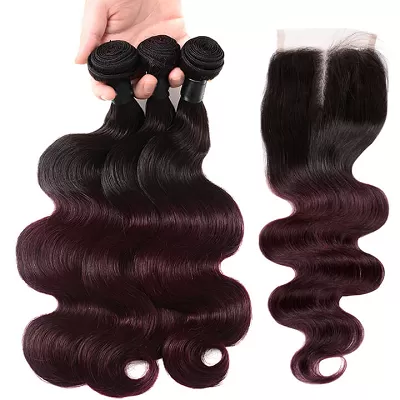
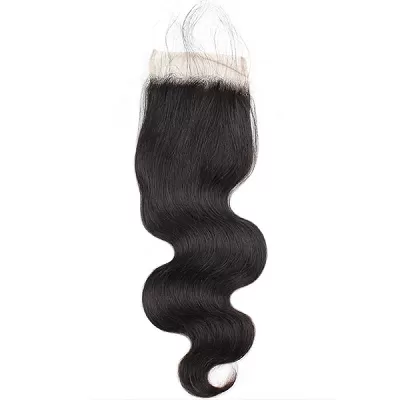
The closure or frontal is the most delicate part of a sew-in, because the hair is tied into lace rather than sewn onto a weft.
- Never brush hard at the hairline. The knots on lace can loosen and shed.
- Go easy with heat at the front. Repeated straightening of the parting area thins it.
- Keep heavy edge products off the lace. Build-up makes the lace look stiff and visible.
- If the closure is glued down, follow the adhesive's own removal instructions and patch-test guidance — see our adhesives and safe removal guide.
If you're still deciding between them, closures vs frontals explains the trade-off.


How long should a sew-in stay in?
A common guideline is six to eight weeks, but your own hair is the deciding factor. Signs it's time to take it down sooner:
- Your scalp is persistently itchy, sore or flaky despite washing.
- Your braids look fuzzy or have started to lock at the root.
- The install feels loose, or the tracks have moved down noticeably.
- You notice tension, bumps or soreness along your hairline.
Leaving a sew-in in too long puts your own hair at risk of matting and breakage. Our guide to protecting your own hairline covers the warning signs of traction damage, which matter more than any bundle.
Taking it down so the bundles survive
If you want to reuse the bundles, the take-down matters as much as the install.
- Find the end of the thread on each track and cut only the thread, carefully, with small scissors pointing away from the weft.
- Unravel the track gently rather than pulling it off.
- Remove the braids slowly, detangling your own hair with plenty of conditioner.
- Wash and deep condition the bundles separately: lay them flat in a basin with diluted shampoo, rinse and condition, then hang to dry.
- Store them flat or loosely hung, out of direct sunlight, in a breathable bag.
Give your own hair a rest — at least a week or two — and a deep treatment before the next install.
How to tell if your bundles are worth reinstalling
Run your fingers through a bundle after washing. Good candidates for reuse:
- Feel soft and smooth from root to tip after conditioning.
- Don't shed more than a few strands when you run a comb through.
- Still hold their wave or curl pattern after washing.
Bundles that stay dry and rough after a deep condition, mat instantly, or have shed heavily at the weft are usually past reinstalling. That's also a useful signal about the quality to look for next time — our wholesale and quality guide covers what separates bundles that last from bundles that don't.
Buying for longevity next time
If you're shopping for your next set, a few choices make care much easier:
- Straight and body wave are the easiest textures to maintain; tight curls need the most care.
- Buy enough hair. Too few bundles get over-styled and over-handled. Our bundles and sew-ins guide covers how many you need for each length.
- Choose a closure or frontal that matches your bundles' texture, ideally from the same retailer so the hair behaves the same way.
Ishow Hair's range on Bulqq leans more toward bundles and weaves than any other retailer's, measured on our comparison page — a useful place to start if you want plenty of lengths and textures to match. Browse every bundle and weave, matching closures and frontals, and check Ishow's current codes before you buy.
A sew-in care calendar
Daily
- Detangle gently from the ends up, holding the hair near the track.
- Mist with water or a water-based leave-in, especially curly textures.
- Light oil on the ends.
- Satin at night.
Every few days
- Moisturise your braids through the tracks with a nozzle-tip bottle.
Every one to two weeks
- Full wash: diluted shampoo at the scalp, suds down the hair, condition the bundles.
- Dry braids and scalp completely.
Every two weeks
- Deep condition the bundles.
Weeks six to eight
- Take down, wash and deep condition your own hair, give it a rest.
Product build-up at the tracks
Product that collects around the tracks attracts dirt and is hard to rinse out. To prevent it:
- Apply products to the hair, not the tracks.
- Use lightweight, water-based leave-ins rather than heavy butters near the scalp.
- Rinse thoroughly on wash day, lifting the hair to rinse under each track.
- Use an occasional clarifying wash on the scalp if you notice residue.
Sew-ins and exercise
Sweat and sew-ins need extra attention:
- Rinse or cleanse your scalp after very sweaty sessions, then dry the braids.
- Wear a sweat-wicking headband to protect the front.
- Tie the hair up to keep it off your neck.
See wigs for an active lifestyle for more.
When to call a stylist
- The tracks have loosened or moved noticeably.
- The closure or frontal is lifting.
- You feel persistent tension, soreness or bumps at the hairline.
- You're ready to take it down and want to reuse the hair.
Common sew-in care mistakes
- Washing without detangling first.
- Leaving braids damp.
- Heavy products on the scalp.
- Cotton pillowcases.
- Leaving it in too long.
- Pulling tracks out instead of cutting the thread.
More sew-in questions
Can I swim with a sew-in?
You can, but rinse with clean water straight away, condition the bundles, and dry your braids thoroughly. Chlorine and salt water dry hair out.
How do I stop my scalp itching under a sew-in?
Rinse shampoo out thoroughly, keep heavy products off the scalp, dry braids completely, and cleanse every one to two weeks. Persistent itching or soreness is a sign to take it down early.
The short version
Detangle before you wet it, wash the scalp and let suds run down the hair, dry the braids completely, moisturise between washes, and protect it with satin at night. Take it down gently, give your hair a break, and good bundles can serve you for more than one install.
Browse what this covers
Now you know what to look for
Put it to work. Answer five quick questions about the look you want and how you'll wear it, and we'll match you to one wig — with the reasons why, so you can judge it for yourself.
Find my match →Or see every wig compared by lace, density and price — and before you pay, today's wig coupon codes.