Wigs for an Active Lifestyle: Gym, Sport, Dance and Busy Days
You can work out, dance and run around in a wig — with the right construction, fit and routine. The best wig styles for active days, how to keep one secure, and how to deal with sweat.
Bulqq is reader-supported: when you buy through a link on this page we may earn a commission, at no extra cost to you. It never changes what we recommend — the product rows here are pulled from live listings, newest first.
"Can I work out in a wig?" is a question a lot of people are too embarrassed to ask. The answer is yes. People run, lift, dance, play sport, chase toddlers and do HIIT classes in wigs every day. With the right style, a secure fit and a little preparation, your wig can keep up with you.
The challenges are real, though: sweat, heat, movement and the occasional worry that it might shift. This guide covers the best wig styles for an active lifestyle, how to keep a wig secure, how to manage sweat, and how to care for a wig you work hard.
The best wig styles for active days
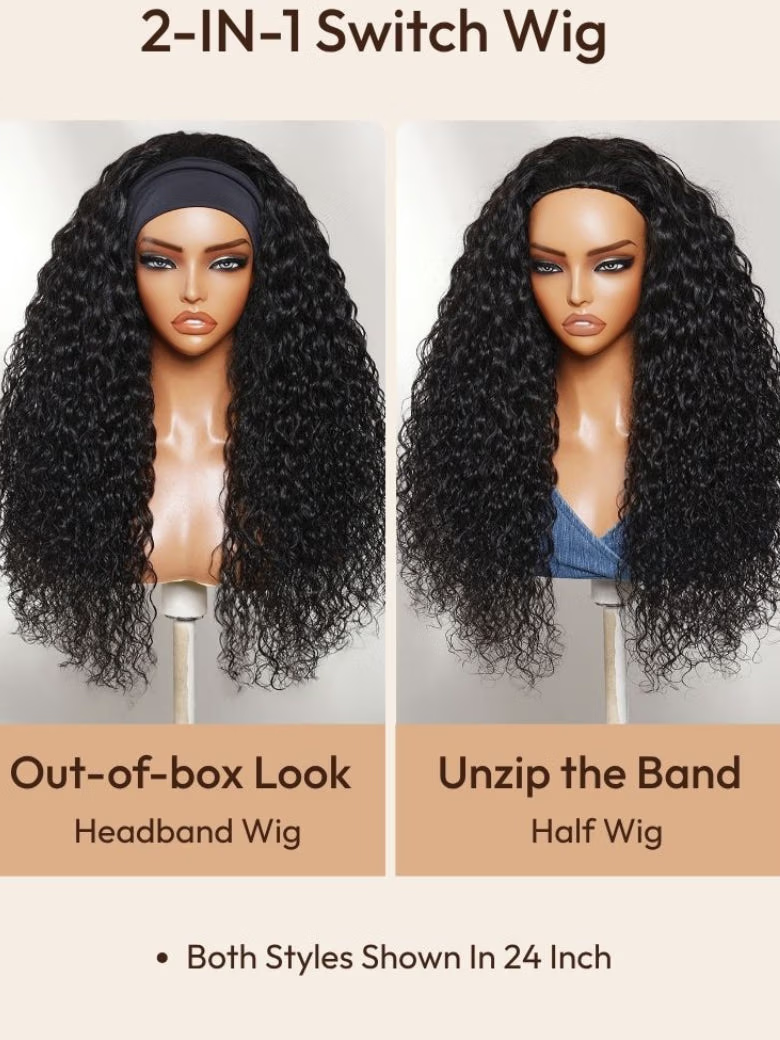
Headband wigs
The simplest choice. No lace to lift, no glue to loosen with sweat, and a sports headband doubles as the band. On and off in under a minute. See our headband wigs guide.
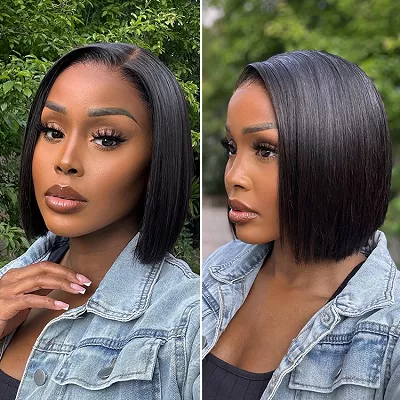
Short wigs and bobs
Less hair means less weight, less heat and less to manage mid-workout. A short bob or pixie won't get in your face during a run. See our guides to bob wigs for everyday wear and short wigs.
Glueless closure or 7x5 wigs
Secure with combs and straps, and quick to fit. A good all-round option if you go straight from the gym to work. See 7x5 and 6x5 lace wigs.
360 wigs
If you want a high ponytail for your workout, a 360 lets you wear it up with a natural nape. See our 360 lace wig guide.
Lower density
150–180% is lighter and cooler than 250%.


Keeping a wig secure
Get the cap size right
A wig that's too big is the main reason wigs shift during exercise. Measure your head and choose the correct size.
Tighten the straps — a notch, not a lot
Snug, not painful. Over-tightening causes headaches and traction stress on your hairline.
Use a grip band
A velvet grip band adds friction and stops sliding, even when you sweat. See wig caps, grip bands and melt bands.
Secure the combs well
Push them firmly into your braids or hair. Some people sew in an extra comb at the front for workouts.
Add a sports headband
Over the hairline, it holds the front in place, absorbs sweat and looks natural in a gym setting.
Tie it up
A low ponytail, braid or bun keeps hair out of your face and reduces movement. On a lace front, check the nape; on a 360, go high.
Managing sweat
Sweat is the main enemy of an active wig wearer. It loosens adhesive, softens the lace hold and makes the cap uncomfortable.
- Choose a breathable wig cap — mesh rather than solid nylon.
- Wear a sweat-wicking headband over the hairline.
- Blot, don't wipe, at the hairline.
- Avoid adhesive for workouts — sweat breaks it down, and repeated glue and removal stresses your hairline.
- Take the wig off after exercise if you can, and let your scalp breathe and dry.
- Dry your own hair and braids properly after a sweaty session.
Wig vs workout: when to take it off
Some people prefer to work out without a wig and put it on afterwards. That's a perfectly good option, especially for:
- Swimming — chlorine and salt water damage wig hair, especially coloured hair.
- Hot yoga or very intense sessions.
- Contact sports.
A satin-lined sports cap, a scarf or a headwrap works well for sessions where you'd rather not wear your wig.
Caring for a wig you work hard
Sweat contains salt and oils that build up in the cap and hair.
- Wash more often — every five to seven wears if you work out in it, or after particularly sweaty sessions.
- Rinse the cap with cool water and a little diluted shampoo between full washes.
- Dry it completely on a ventilated stand. See wig stands and storage.
- Condition well — sweat and frequent washing dry hair out. See hair care for human hair wigs.
- Consider a dedicated "active" wig — a shorter, lower-cost unit you don't mind washing often, separate from your best wig.
An active wig wardrobe
Many active wig wearers keep:
- A headband wig or short glueless wig for workouts and busy days.
- A longer or more glamorous wig for work, evenings and weekends.
Rotating means each wig gets washed less and lasts longer. See building a wig wardrobe.
Protecting your hairline
Active wear means more movement and more tension. Look after your edges:
- Don't over-tighten straps or headbands.
- Use a grip band to spread pressure.
- Take the wig off after exercise and at night.
- Watch for soreness, bumps or thinning at the temples. Read protecting your own hairline.
Active wig questions
Will my wig fall off at the gym?
Not with the right cap size, snug straps, secure combs and a grip band. A sports headband adds extra security.
Can I swim in a wig?
It's not recommended — chlorine and salt damage the hair. Wear a swim cap or headwrap instead.
What's the best wig for working out?
A headband wig or a short glueless wig is the easiest. A 360 if you want a high ponytail.
How often should I wash a wig I work out in?
Every five to seven wears, or after very sweaty sessions.
Choosing your wig by activity
Different activities put different demands on a wig. A quick guide:
Walking, light gym sessions, pilates. Almost any well-fitted glueless wig works. A low ponytail or bun keeps hair off your neck.
Running and cardio. Lots of bounce and sweat. A short bob or a headband wig is easiest. Add a sweat-wicking sports headband over the hairline and tighten the straps a notch before you set off.
Weight training. Less bounce, but you'll lie on benches and mats. Tie long hair up so it doesn't catch, and watch that the back of the wig isn't pushed forward when you lie down.
HIIT, boxing and dance classes. Fast, multi-directional movement. A secure fit is essential: correct cap size, snug straps, combs well seated, grip band underneath and a sports headband on top. Many people prefer a dedicated short "workout wig" for these.
Yoga. Inversions and lying on the floor are the challenges. A headband wig or a short glueless wig tied up works well; for hot yoga, many people prefer a scarf instead.
Team and contact sports. The risk of a wig being pulled or knocked is real. Consider a headwrap or sports cap instead, or a headband wig under a sports headband.
Swimming. Not recommended in a wig — chlorine and salt water damage human hair. Wear a swim cap or headwrap.
A workout-ready fit checklist
Run through this before any intense session:
- Cap size correct? If the wig moves when you shake your head, it's too big.
- Straps snug? One notch tighter than everyday, but never painful.
- Combs seated firmly in your braids?
- Grip band on?
- Hair tied up away from your face and neck?
- Sports headband over the hairline?
- Water and blotting papers in your bag?
After the workout
What you do afterwards matters as much as what you do during.
- Take the wig off as soon as you reasonably can and let your scalp air out.
- Blot or rinse your scalp and hairline, and let your braids dry.
- Rinse the wig cap with cool water and diluted shampoo, especially the front edge.
- Hang the wig to dry on a ventilated stand before wearing it again.
- Refresh the hair with a light leave-in if it feels dry.
If you go straight from the gym to work, keep a second wig in your bag or locker, or wear a headband wig to the gym and switch to your everyday wig afterwards.
Budgeting for an active-wear wig
Workout wigs get washed more and handled harder, so they wear out faster. Many people choose a lower-cost unit for the gym:
- A short bob or headband wig — less hair, lower cost, easier washing.
- 150–180% density — lighter and cooler.
- Natural colour — easier care, no fading worries.
Our guide to human hair wigs under $150 covers the constructions and features that fit a tighter budget.
Common active-wear mistakes
- Over-tightening the straps to make up for a wig that's the wrong size. Get the right size instead.
- Using adhesive for workouts. Sweat breaks it down, and frequent removal is hard on your edges.
- Wearing your best long wig to the gym. It'll tangle, absorb sweat and need far more washing.
- Leaving a sweaty wig in a gym bag. It stays damp and starts to smell. Air it out as soon as possible.
- Ignoring your own hair. Braids that stay damp after workouts can develop odour. Dry them properly.
More active lifestyle questions
Can I wear a lace front to the gym?
Yes, if it's glueless, well fitted and secured with a grip band and sports headband. The lace may need re-laying afterwards.
Will sweat damage my wig?
Sweat contains salt and oils that build up and dry the hair over time. Rinsing the cap and washing more often prevents damage.
Is a headband wig secure enough for running?
With the right size, snug straps and a sports headband on top, yes — many runners prefer them.
What about wearing a wig while chasing small children all day?
It's the same advice as any active day: a secure glueless fit, a grip band, hair tied back from grabbing hands, and a shorter or lower-density wig if you're constantly bending and lifting.
The short version
You can absolutely stay active in a wig. Choose a headband wig, a short glueless wig or a 360 for ponytails, keep density moderate, get the fit snug, use a grip band and a sports headband, and avoid adhesive for workouts. Wash more often, dry thoroughly, and consider a dedicated active wig.
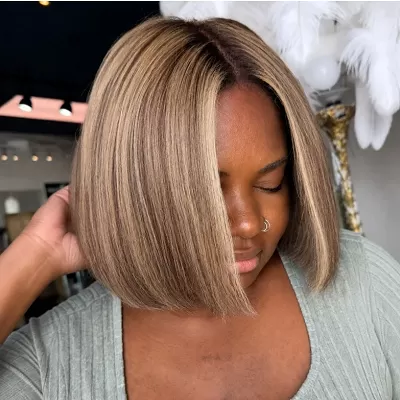
Browse headband wigs, glueless wigs and accessories like grip bands, and check today's coupon codes before you buy.
Browse what this covers
Now you know what to look for. Find yours in a minute.
Answer five quick questions about the look you want and how you'll wear it, and we'll match you to one wig, with the reasons why and the best code to take off it.
Find my match →Or go straight to the 48 headband wigs.
Or see every wig compared by lace, density and price — and before you pay, today's wig coupon codes.