Hair Care for Human Hair Wigs: Masks, Leave-Ins and What Actually Helps
Wig hair can't repair itself, so the products you use matter more than on your own hair. A plain-English guide to shampoos, conditioners, masks, leave-ins, oils and treatments for human hair wigs.
Bulqq is reader-supported: when you buy through a link on this page we may earn a commission, at no extra cost to you. It never changes what we recommend — the product rows here are pulled from live listings, newest first.
Your own hair has a support system. Your scalp produces natural oils that travel down each strand, and new hair keeps growing to replace what's damaged. A human hair wig has none of that. Once it's cut from its source, every bit of moisture it gets comes from you, and every bit of damage is permanent.
That's why the products you use on a wig matter more than the ones you use on your own hair. The right routine keeps a wig soft, shiny and manageable for many months. The wrong one — or no routine at all — leaves it dry, tangled and frizzy within weeks.
This guide explains each type of hair care product, what it does for a wig, what to look for, and how to build a simple routine. Our hair care category brings together the shampoos, masks, treatments and stylers our retailers sell.
The basic principle: moisture in, damage out
Almost all wig care comes down to two things:
- Putting moisture back that the hair can't get from a scalp.
- Avoiding damage — from harsh cleansers, heat, friction and build-up.
Every product below does one or both.
Shampoo
What it does
Removes dirt, oil, sweat and product build-up.
What to look for
- Sulfate-free. Sulfates (often listed as sodium lauryl sulfate or sodium laureth sulfate) are strong detergents that strip moisture. Gentler cleansers are better for wig hair.
- Moisturising formulas.
- Colour-safe if the wig is coloured.
How to use it
Dilute it in water, apply it to the cap first, then smooth it down the lengths. Don't scrub. Our washing guide covers the full technique, and our guide to the best shampoo and conditioner for human hair wigs goes deeper on labels.
Conditioner
What it does
Smooths the outer layer of the hair, adds slip for detangling, and restores some moisture.
What to look for
A rich, slippery conditioner. Ingredients like fatty alcohols (cetyl or cetearyl alcohol — these are moisturising, unlike drying alcohols), plant oils and butters are common.
How to use it
Every wash, from mid-length to the ends. Keep heavy conditioner off the lace, where it can loosen knots.
Deep conditioning mask
What it does
A more intensive treatment that delivers more moisture and nourishment than everyday conditioner.
Who needs it most
- Curly, deep wave, water wave and kinky textures.
- Blonde, 613 and coloured wigs, which have been lightened.
- Wigs you heat style often.
- Older wigs that feel dry.
How to use it
Every week or two. Apply to damp hair, cover with a plastic cap, leave for 20–30 minutes, rinse with cool water.
Leave-in conditioner
What it does
Adds lightweight moisture that stays in the hair, helps detangling, and gives a base for styling.
Who needs it
Everyone — especially textured wigs, where it's the backbone of a daily refresh.
How to use it
After every wash, while the hair is damp. For curly and wavy wigs, also daily with a spritz of water. Our deep wave and water wave guide explains the daily refresh.
Oils and serums
What they do
Seal moisture in, add shine and reduce frizz.
What to look for
Light oils — argan, jojoba, sweet almond — or lightweight serums. A few drops is enough.
How to use them
On the ends, after leave-in. Avoid applying heavy oils at the roots or on the lace, which weighs the hair down and builds up.
Heat protectant
What it does
Creates a barrier that slows heat damage from flat irons, curling irons and blow dryers.
Who needs it
Anyone who uses heat on a wig — every time.
How to use it
On clean, dry hair before heat styling. Let it dry first. Our heat tools guide explains temperatures.
Curl creams, gels and mousses
What they do
Define and hold wave and curl patterns.
- Curl cream — soft definition with moisture.
- Gel — strong definition and hold.
- Mousse — light hold and volume.
How to use them
On soaking-wet hair after leave-in, scrunched in. See our curly wig wash day routine.
Purple shampoo
What it does
Neutralises yellow and brassy tones in blonde hair.
Who needs it
Blonde, 613 and blonde-highlight wigs only. Use occasionally, not every wash. Read our 613 blonde guide.
Keratin and protein treatments
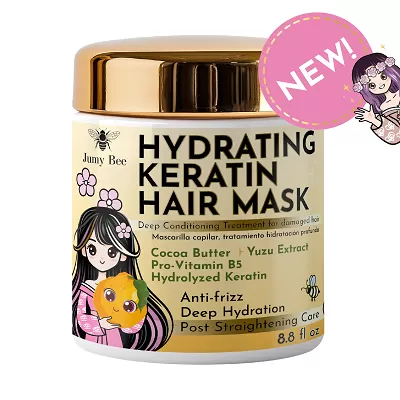
You'll see keratin treatments, protein masks and "repair" products in the hair care category — including from Jumy Bee, who sell hair care rather than wigs.
- Protein treatments can help strengthen hair that feels limp, gummy or over-stretched.
- Too much protein can make hair stiff and brittle, so balance it with moisture.
- Smoothing and keratin treatments that involve heat or chemical processing are a bigger step. Read the product's own instructions carefully, follow any patch-test directions for products that touch your skin, and if in doubt, treat a small section of the wig first. Our chemical safety checklist covers general precautions.
Edge products
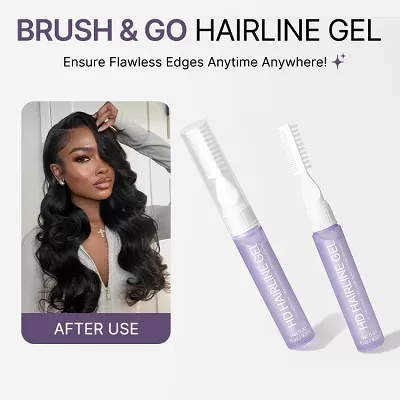
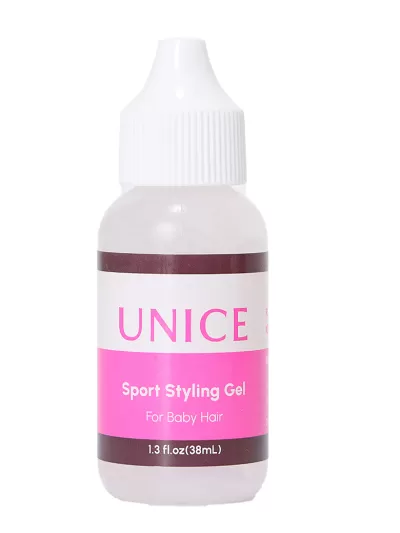
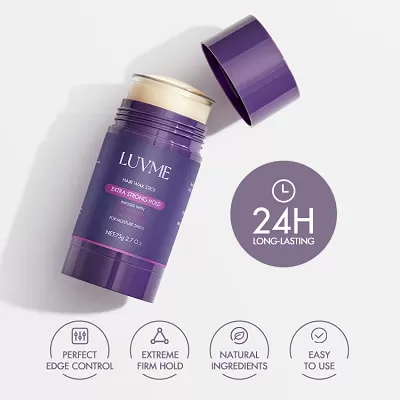
Edge gels and control products style baby hairs at the hairline. Use a light, non-flaky formula, and clean it off the lace regularly — build-up on lace looks cloudy and stiff.
A simple routine for most wigs
Every wash (every 7–10 wears):
- Detangle.
- Sulfate-free shampoo, diluted.
- Conditioner.
- Leave-in conditioner.
- A few drops of oil on the ends.
Every week or two:
- Deep conditioning mask.
Before heat:
- Heat protectant.
Daily, for curly and wavy wigs:
- Spritz of water and leave-in, scrunched.
Signs your wig needs more moisture
- It feels rough or straw-like.
- It tangles more than usual.
- Curls or waves look frizzy and undefined.
- The ends look dull or split.
A deep conditioning mask and a leave-in usually help within one or two washes.
Signs of build-up
- The hair looks limp, greasy or coated.
- It feels sticky or heavy.
- Waves won't hold.
A gentle clarifying wash, followed by a deep condition, resets it.
Shopping tips
- Start simple. Shampoo, conditioner, leave-in and a mask cover most wigs.
- Add texture-specific products if you wear curls or waves.
- Read the retailer's product description for directions and ingredients — our product pages show the merchant's own description for hair care products.
Reading an ingredients list: a beginner's decoder
You don't need to be a chemist, but a few ingredient types are worth recognising:
Usually good for wig hair
- Fatty alcohols — cetyl alcohol, cetearyl alcohol, stearyl alcohol. Moisturising and softening, despite the word "alcohol".
- Humectants — glycerin, aloe vera, panthenol. Draw moisture into the hair.
- Plant oils and butters — argan, jojoba, coconut, shea. Seal in moisture and add softness.
- Proteins — hydrolysed keratin, silk or wheat protein. Help strengthen hair, in moderation.
Worth being careful with
- Strong sulfates — sodium lauryl sulfate, sodium laureth sulfate. Effective cleansers, but they strip moisture.
- Drying alcohols high on the list — alcohol denat., isopropyl alcohol, SD alcohol. Can dry hair, especially in sprays and gels.
- Heavy silicones in every product — they add shine and smoothness, but can build up over time without an occasional clarifying wash.
Ingredients are listed roughly from most to least, so what's near the top matters most.
A routine by wig type
Straight, natural black
- Wash: sulfate-free shampoo, conditioner, light leave-in.
- Weekly: optional mask.
- Daily: a drop of serum on the ends.
- Before heat: protectant.
Body wave or loose wave
- Wash: sulfate-free shampoo, conditioner, leave-in, light mousse if you want more definition.
- Every week or two: mask.
- Daily: spritz and scrunch if the wave drops.
Deep wave, water wave, curly, kinky curly
- Wash: sulfate-free shampoo or co-wash, rich conditioner, leave-in, curl cream or gel while soaking wet.
- Every wash or every other: deep conditioning mask.
- Daily: water and leave-in, scrunched.
- Monthly: clarify if you use gel.
Blonde, 613 and highlighted
- Wash: colour-safe sulfate-free shampoo, rich conditioner, leave-in.
- Weekly: mask.
- Occasionally: purple shampoo.
- Before heat: protectant, and low temperatures.
Product mistakes that shorten a wig's life
- Using too much product. More isn't better — it builds up and weighs hair down.
- Putting conditioner on the lace. It can loosen knots. Condition from mid-length down.
- Heavy oils at the roots. They flatten volume and build up on the lace.
- Skipping heat protectant "just this once". Heat damage on wig hair is permanent.
- Using purple shampoo every wash. It can leave a lilac tint on very light hair.
- Never clarifying. Build-up makes hair dull, limp and harder to style.
How much product to use
- Shampoo: a small amount diluted in water — about a tablespoon in a cup for a mid-length wig.
- Conditioner: enough to coat the lengths; more for long or curly wigs.
- Leave-in: a few sprays or a small palmful.
- Oil or serum: two to four drops, on the ends.
- Curl cream or gel: start with a little and add as needed.
Hair care for your own hair under a wig
Don't forget the hair you're protecting. Moisturise your braids every few days, cleanse your scalp every one to two weeks, and deep condition when you take your braids down. Our guide to wigs as a protective style has a full routine.
More hair care questions
Can I use drugstore products on a human hair wig?
Yes — many affordable products are perfectly good. Look for sulfate-free, moisturising formulas.
Do I need separate products for my wig and my own hair?
Not necessarily. Most gentle, moisturising products work for both.
How do I know if my wig needs protein or moisture?
Hair that feels limp, mushy or over-stretchy when wet may benefit from protein; hair that feels dry, rough and brittle needs moisture. Most wig hair needs moisture more often.
The short version
Wig hair needs you to supply all its moisture. Use a sulfate-free shampoo, a rich conditioner, a leave-in after every wash, a weekly mask, a few drops of oil on the ends and a heat protectant before styling. Add curl products for textured wigs and purple shampoo for blondes.
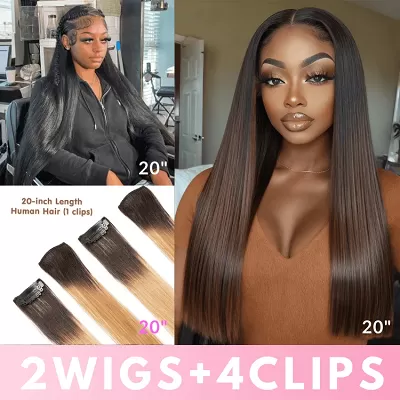

Browse the full hair care category, add accessories like combs and stands, and check today's coupon codes before you buy.
Browse what this covers
Now you know what to look for. Find yours in a minute.
Answer five quick questions about the look you want and how you'll wear it, and we'll match you to one wig, with the reasons why and the best code to take off it.
Find my match →Or go straight to the 26 hair care.
Or see every wig compared by lace, density and price — and before you pay, today's wig coupon codes.