Keeping Deep Wave and Water Wave Wigs Defined (and Fixing Frizz)
Why deep wave and water wave wigs lose their pattern, the daily and weekly routine that keeps them bouncy, and how to rescue one that has gone frizzy.
Bulqq is reader-supported: when you buy through a link on this page we may earn a commission, at no extra cost to you. It never changes what we recommend — the product rows here are pulled from live listings, newest first.
Deep wave and water wave are two of the most popular wig textures — and two of the most common sources of disappointment. In the listing photos and for the first few wears, they're glossy, bouncy and perfectly defined. A few weeks later, many people find a frizzy, puffy wig with barely a wave left.
The good news is that this is almost never the hair's fault, and it's usually reversible. These textures behave like curly hair: they need moisture, gentle handling and the right products at the right time. Get that right, and they stay defined for months.
This guide explains why wave patterns drop, the routine that keeps them defined, and how to rescue a wig that's already gone frizzy.
Why waves lose definition
Dryness
Wig hair gets no natural oil from a scalp. Wave patterns are especially thirsty, because the bends in each strand make it harder for moisture to travel down the hair. Dry waves frizz and separate instead of clumping into defined ribbons.
Brushing dry
Running a brush through dry waves breaks each wave apart into individual frizzy strands. It's the single most common cause of "my wig went frizzy".
Friction
Cotton pillowcases, scarves, coat collars and car headrests all rough up the waves.
Product build-up
Heavy creams and oils build up over time, weighing the waves down and making them look limp.
Heat
Straightening or high-heat styling can loosen the pattern permanently.
Deep wave vs water wave: a quick recap
- Deep wave — tighter, more uniform, more defined waves with volume.
- Water wave — looser, more irregular, spiralling waves with a glossy wet look.
Both need similar care. Read our glueless deep wave guide and glueless water wave guide for more on each.
The daily routine (two minutes)
- Spritz the hair with water — enough to dampen it, not soak it.
- Add a small amount of leave-in conditioner, raked through with your fingers.
- Scrunch upward to encourage the waves to clump.
- For extra definition, twirl a few sections around your finger.
- Leave it alone while it dries.
That's it. This one habit prevents most frizz.
The weekly (or wash day) routine
- Detangle before washing, with conditioner and a wide-tooth comb, from the ends up.
- Wash in sections, smoothing diluted shampoo downward — no scrubbing.
- Condition generously, and deep condition every week or two.
- Rinse with cool water.
- While soaking wet, apply leave-in, then a curl cream (soft definition) or gel/mousse (stronger hold).
- Scrunch and finger-coil.
- Air-dry on a stand without touching, or diffuse on low heat and low speed.
- Once dry, scrunch out any gel cast with a drop of oil on your hands.
Our curly wig wash day routine walks through every step in detail.

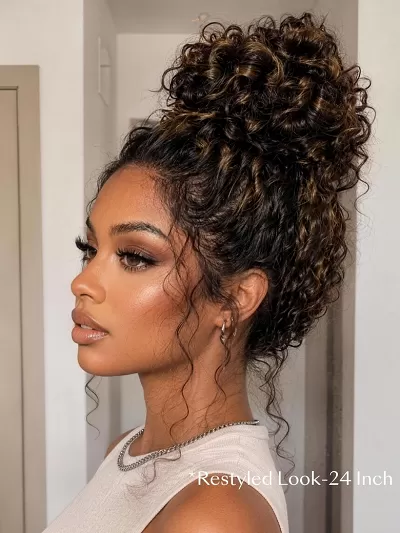

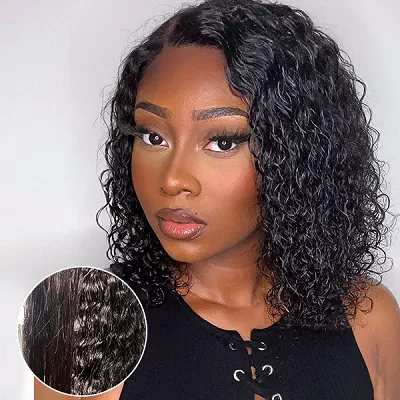
Product guide
- Leave-in conditioner — the foundation. Use it daily.
- Curl cream — soft definition and moisture.
- Gel — strong definition and hold, especially for water wave's wet look.
- Mousse — light hold and volume, good for deep wave.
- Light oil — seals moisture into the ends. A few drops only.
- Deep conditioning mask — weekly or fortnightly.
Avoid heavy butters and thick oils near the roots, and avoid products with drying alcohols high on the ingredients list. You'll find leave-ins, masks and stylers in our hair care category.
Night care
- Take the wig off and put it on a stand.
- Or loosely braid it in two to four sections — you'll wake up to defined waves.
- Cover with satin or silk if it's on your head.
- Never sleep on a cotton pillowcase in a wavy wig.
How to rescue a frizzy deep wave or water wave wig
If yours has already lost its pattern, try this full reset:
- Clarify. Wash once with a clarifying or gentle shampoo to remove build-up.
- Deep condition for 30 minutes under a plastic cap.
- Rinse with cool water.
- While soaking wet, section the hair into small parts — 10 to 20 sections.
- Apply leave-in and gel to each section, then finger-coil or twist it.
- Let it air-dry completely without touching. This can take most of a day.
- Scrunch out the cast with a drop of oil.
For a stronger reset, set the damp hair on flexi-rods or perm rods sized to the original wave, let it dry completely, then gently separate.
If the waves still won't return, the hair may have heat damage, which can't be undone. Trimming the most damaged ends helps the rest of the hair look better.
Common mistakes
- Brushing dry.
- Skipping leave-in.
- Applying products to damp, not soaking-wet, hair.
- Touching it while it dries.
- Washing too often — strips moisture.
- Using heavy oils at the roots.
- Flat-ironing it straight frequently.
When to choose a lower-maintenance texture
If a daily two-minute refresh sounds like more than you want, consider:
- Body wave — keeps its pattern with less effort. Read our glueless body wave guide.
- Loose wave — relaxed and forgiving. See our loose wave guide.
- Straight — the lowest maintenance of all.
Deep wave and water wave questions
Why is my water wave wig so frizzy?
Most likely dryness and brushing. Water and leave-in daily, scrunch, and never brush dry.
Can I use gel on a wig?
Yes — it's one of the best ways to define waves. Wash it out regularly to avoid build-up.
How often should I wash a deep wave wig?
Every 7–10 wears, or when product builds up. Refresh with water between washes.
Will the waves come back after straightening?
Often, after washing — unless high heat was used repeatedly.
Troubleshooting by symptom
"The roots are flat but the ends are frizzy." The ends are the oldest, driest part of the hair. Concentrate leave-in and a few drops of oil on the ends, and lift the roots with your fingers while the hair dries. Avoid heavy products at the roots.
"The waves are there but they look dull." Usually build-up or dryness. A clarifying wash followed by a deep condition, then a light oil on the ends once dry.
"One side is defined, the other is a mess." Almost always how you slept. Take the wig off at night, or pineapple it and sleep on satin.
"The nape is matted." Friction from collars, scarves and headrests. Detangle the nape gently with conditioner every day, braid it loosely at night, and avoid rough fabrics against it.
"It's crunchy and stiff." Too much gel, or gel that hasn't been scrunched out. Once completely dry, scrunch the waves with a drop of oil on your palms to break the cast.
"The pattern looks looser than when I bought it." Heat, or a lot of brushing. Re-set the waves on flexi-rods or by finger-coiling while soaking wet, and avoid heat for a while.
Choosing products by your water
If your tap water is hard (high in minerals), you may notice waves that feel rough and look dull no matter what you use. Mineral build-up coats the hair. A few things help:
- An occasional clarifying or chelating shampoo to lift mineral build-up.
- A shower filter, which reduces minerals in the water.
- A final rinse with filtered or bottled water on wash day, if build-up is severe.
Soft water areas tend to have the opposite issue — products can feel harder to rinse out — so use smaller amounts.
A monthly care calendar
Daily (every day you wear it): spritz with water and leave-in, scrunch, light oil on the ends.
Weekly: check for tangles at the nape; deep condition if the hair feels dry.
Every 7–10 wears: full wash, condition, leave-in and styler while soaking wet, air-dry.
Monthly: clarify if you use gel or heavy products, then deep condition.
As needed: a full reset (clarify, deep condition, sectioned re-set) if the pattern has dropped.
Deep wave and water wave bundles
Sew-in bundles in these textures need the same moisture-first approach — with the added step of drying your braids fully after every wash. Our sew-in care guide covers it in detail.
Products, matched to the result you want
- Soft, touchable waves: leave-in plus a light curl cream.
- Defined, glossy waves: leave-in plus a gel, scrunched while soaking wet.
- Volume: leave-in plus a mousse, lifted at the roots while drying.
- Frizz control in humidity: leave-in plus a light anti-frizz serum on the ends.
You'll find leave-ins, masks, gels and creams in our hair care category. Our hair care for human hair wigs guide explains each product type.
More definition questions
Can I use the same products on my own curls?
Usually, yes — curl creams, gels and leave-ins for natural curls work on wig hair too. Avoid products with drying alcohols high on the ingredients list.
Should I air-dry or diffuse?
Air-drying gives the most defined, least frizzy result but takes hours. Diffusing on low heat and low speed is quicker; cup sections of waves in the diffuser rather than blowing air through them.
How do I stop the waves going flat at the crown?
Lift the roots with your fingers while drying, use a little mousse at the crown, and store the wig on a stand rather than lying it down.
The definition routine on one card
Save this somewhere you'll see it:
Every day you wear it
- Spritz with water and leave-in.
- Scrunch upward.
- Twirl any fuzzy sections.
- Leave it alone while it dries.
Never
- Brush it dry.
- Rub it with a towel.
- Sleep on cotton.
- Use high heat.
Every 7–10 wears
- Detangle, wash in sections, condition, deep condition.
- Products on soaking-wet hair.
- Air-dry or diffuse on low.
Monthly
- Clarify if you use gel, then deep condition.
When it's frizzy
- Full reset: clarify, deep condition, sectioned re-set, air-dry untouched.
Most people who follow this find their deep wave and water wave wigs look close to new for months.
The short version
Deep wave and water wave behave like curly hair. Keep them defined with a daily spritz of water and leave-in, scrunch instead of brushing, apply stylers while soaking wet, and air-dry without touching. If one has gone frizzy, a clarify, deep condition and sectioned re-set usually brings the waves back.
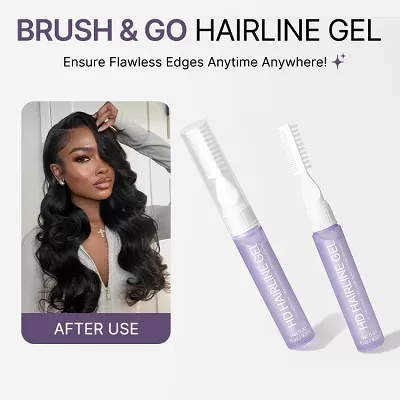


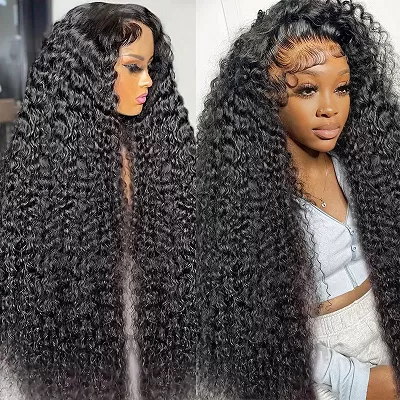
Stock up in our hair care category, browse deep wave and water wave wigs, and check today's codes before you buy.
Browse what this covers
Now you know what to look for. Find yours in a minute.
Answer five quick questions about the look you want and how you'll wear it, and we'll match you to one wig, with the reasons why and the best code to take off it.
Find my match →Or go straight to the 195 deep wave.
Or see every wig compared by lace, density and price — and before you pay, today's wig coupon codes.