Choosing a Human Hair Wig During Hair Loss: Comfort, Fit and Practical Advice
If you're losing hair — through alopecia, treatment, hormonal change or anything else — choosing a wig can feel overwhelming. Practical, gentle guidance on comfort, fit, caps and what to look for.
General guidance, not medical advice. This is written for a general audience and cannot account for your skin, your medical history or anything you are already using. It is not a substitute for a GP, dermatologist, trichologist or qualified stylist. If you have a reaction, an injury, or hair loss that is not recovering, seek proper medical attention rather than working from a web page — including this one.
Bulqq is reader-supported: when you buy through a link on this page we may earn a commission, at no extra cost to you. It never changes what we recommend — the product rows here are pulled from live listings, newest first.
If you're reading this because you're losing hair, we want to start with something important: whatever you're feeling about it is valid. Hair loss — from alopecia, medical treatment, hormonal changes, stress, traction or anything else — can be difficult, and nobody should tell you to simply "embrace it" or that it's "just hair". You also owe nobody an explanation for why you wear a wig.
A wig can be a practical, comfortable way to feel more like yourself — and choosing one when your scalp is sensitive, your hair is thinning or you've lost it entirely is a little different from choosing a fashion wig. This guide focuses on the practical side: comfort, fit, caps, and what to look for on a listing.
It's general guidance, not medical advice. If your hair loss is new, sudden, patchy or unexplained, please speak to a GP or dermatologist first — some causes are treatable, and getting the right diagnosis matters more than any wig.
A note on what we sell
The retailers we list sell human hair wigs designed and marketed as fashion and everyday wigs — lace fronts, closures, glueless, headband and V-part units. They are not "medical wigs" or cranial prostheses, and the listings don't make medical claims.
Some specialist wig makers produce medical wigs designed for complete hair loss, with features like soft medical-grade caps, vacuum fits or custom moulding. If you need those features, or if your insurance or health service may contribute to the cost of a wig with a prescription, it's worth asking your care team or a specialist wig provider. Many people with hair loss do happily wear the kind of wigs we list; what matters is choosing the right features for your situation.
Comfort comes first
When your scalp is sensitive — during or after treatment, or with some forms of alopecia — comfort matters more than anything else.
A soft, breathable cap
Look closely at how the cap is described. Lace caps are light and breathable. Some wigs use an elastic or mesh base that can feel scratchy on a bare scalp. A soft, thin wig liner or cotton cap underneath can make a big difference.
No adhesive
Adhesives on a sensitive scalp or skin can cause irritation, and removal can be uncomfortable. A glueless wig avoids that completely. Browse glueless wigs.
Lightweight
Lower density (130–180%) and moderate length mean less weight and less warmth. See density explained.
Nothing that digs in
Check for combs, clips and elastic bands that might press on a tender scalp. Some combs can be removed or re-sewn if they're uncomfortable.
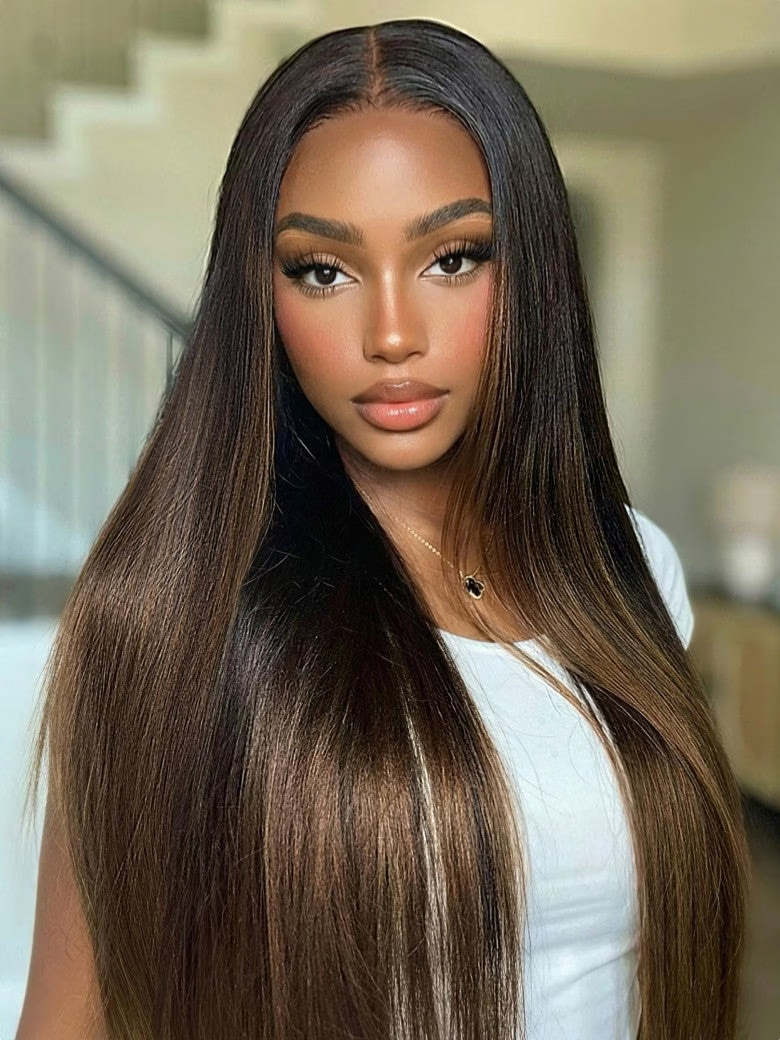
Fit when you have little or no hair
Most glueless wigs rely partly on combs gripping your own hair. With significant hair loss, combs may have nothing to grip.
- A grip band — a soft velvet band around your head — gives combs and the cap something to hold onto, and adds friction so the wig doesn't slide. See wig caps, grip bands and melt bands.
- Adjustable straps let you get a snug, secure fit.
- Measure your head carefully. Head size can change if you've lost a lot of hair; a wig that fitted before may now feel loose. Follow our head measuring guide.
- Consider a smaller cap size if the listing offers one.
Choosing a hairline
If you have some hair at the front
A headband wig or a V-part wig can use your own edges or parting. See our headband wigs guide.
If you have little or no hair at the front
A lace wig gives you a natural-looking hairline:
- A glueless closure (4x4 or 5x5) — a small lace area, quick to fit, and the hair falls forward. See our 5x5 closure guide.
- A lace front (13x4) — a hairline across the front, if you like to wear your hair back.
- A pre-plucked hairline and bleached knots — a softer, more natural hairline, with no customising needed. See pre-plucked wigs explained.
- Bangs — cover the hairline completely and are very easy to wear. See our bangs buying guide.
Lace and skin tone
If your scalp shows through the lace, choose a lace that blends with your skin, and consider a liner or cap close to your skin tone. See matching lace colour to your skin tone.
Choosing a style
- Something close to your own hair — many people find comfort in a wig that looks like their hair did before.
- Or something new — some people use the moment to try a different colour or cut. Both are completely valid. Our guide to trying a new look explores the idea.
- Shorter styles are lighter, cooler and easier to manage. See short wigs.
Practical tips
- Buy before you need it, if you know hair loss is coming — so you can choose without pressure and get used to wearing it.
- Have a stylist cut the wig to suit your face, if you'd like a personal touch.
- Keep a soft scarf or cotton cap for days you'd rather not wear a wig.
- Protect your scalp from the sun when you're not wearing a wig.
- Wash the liner or cap often, especially if your scalp is sensitive.
Caring for your wig
- Take it off at night and let your scalp rest.
- Wash every 7–10 wears with gentle, sulfate-free products. See how to wash a human hair wig.
- Store it on a stand. See wig stands and storage.
Talking about it
If someone asks, you can say as much or as little as you like — or nothing at all. Our guide to what to say when someone asks about your wig has some gentle approaches.
Support
If hair loss is affecting how you feel day to day, you're not alone. Your GP, dermatologist or treatment team can point you to support services, and national alopecia and cancer support organisations offer information, peer support and sometimes wig guidance.
Hair loss questions
Can I wear a regular human hair wig with complete hair loss?
Many people do. A grip band, a soft liner, a snug cap size and a glueless design make it more comfortable and secure.
Are lace wigs comfortable on a bare scalp?
Lace is light and breathable, but the edges can feel scratchy to some people. A soft liner helps.
Should I use adhesive?
On a sensitive scalp or skin, it's best avoided unless a healthcare professional says otherwise. Glueless wigs are designed to stay on without it.
Will my head size change?
It can, slightly, with significant hair loss. Measure again before buying.
A gentle first-wig plan
If this is your first wig and you're dealing with hair loss, taking it step by step can make it less overwhelming.
Before you buy
- If you can, speak to your care team, GP or dermatologist about what to expect, and whether a specialist medical wig or financial help is available to you.
- Measure your head, and measure again if you've lost a lot of hair recently.
- Decide what you want the wig to do for you: look like your hair did before, or try something different.
Choosing
- Prioritise comfort: glueless, lightweight, a soft cap, nothing that digs in.
- Choose a hairline that suits how much of your own hair you have: headband or V-part if you have hair at the front; a closure, lace front or bangs if you don't.
- A moderate length and density is lighter and cooler.
When it arrives
- Try it on at home, in your own time, before cutting any lace.
- Wear it around the house for short periods to get used to the feel.
- Ask a stylist to trim or shape it if you'd like it to feel more like your own.
Day to day
- Take it off when you need a break — at home, at night.
- Keep a soft scarf or cap for days you'd rather not wear it.
- Protect your scalp from sun when you're not wearing the wig.
Fit and feel: what to look for on a listing
When your scalp is sensitive, a few listing details matter more than usual:
- Cap material — look for descriptions of breathable lace or soft mesh, and read any notes about the inside of the cap.
- Combs — how many, and where. Combs need something to grip; with little hair, a grip band helps, or combs can sometimes be removed.
- Adjustable straps — essential for a secure fit on a smaller or changing head size.
- Cap sizes — whether the retailer offers small or large caps, not just average.
- Weight — length and density are the main factors.
- Hairline work — pre-plucked and bleached knots reduce the work of making the hairline look natural.
Liners and caps for a sensitive scalp
A thin liner between your scalp and the wig can make a big difference:
- Soft cotton or bamboo liners — gentle, breathable and absorbent.
- Thin nylon wig caps — lighter, but some people find them less comfortable on bare skin.
- Silicone grip liners — add grip without combs, which some people find helpful with complete hair loss; check comfort, as they can feel warm.
Wash liners frequently and replace them when they lose their shape. You'll find caps and grip bands in our accessories category.
Colour and style choices
There's no right or wrong here:
- Matching your previous hair can feel reassuring and familiar.
- A softer version of your old style — slightly shorter, slightly lighter density — is often more comfortable.
- Something completely new can feel freeing. Some people enjoy the chance to try a colour or cut they've always wondered about.
Our guides to choosing a wig colour for your undertone and short wigs may help.
Caring for your scalp
- Keep it clean — wash gently with a mild cleanser.
- Moisturise with a gentle, fragrance-free product if your skin is dry, unless your care team advises otherwise.
- Protect it from the sun with a hat or scarf when you're not wearing a wig.
- Let it breathe — time without a wig is good for your skin.
If you notice irritation, redness or soreness where the wig sits, take a break and speak to a healthcare professional if it persists.
More questions
Will a wig make my hair loss worse?
A gentle, glueless, well-fitted wig taken off regularly shouldn't. Tight wigs, tight braids and adhesive can stress any remaining hair, so keep everything comfortable.
What if my hair grows back?
Many people continue wearing wigs as their hair regrows, adjusting the fit as needed. A V-part or headband wig can work well once you have some hair at the front again.
Can I wear a wig to treatment appointments?
Many people do. Choose whatever feels most comfortable — some prefer a soft headwrap on treatment days.
The short version
Comfort first: a soft, breathable, glueless cap, lightweight density and nothing that digs in. Use a grip band and adjustable straps for a secure fit when combs have little to grip, and measure your head again. Choose a pre-plucked closure, lace front or bangs for a natural hairline. And please speak to a GP or dermatologist about any new or unexplained hair loss.

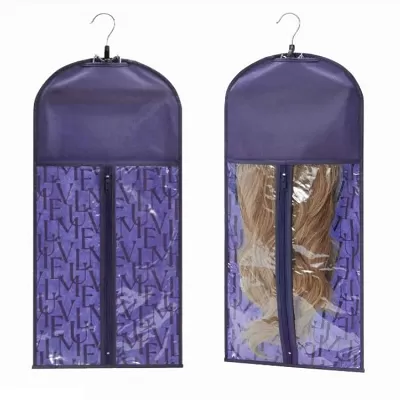
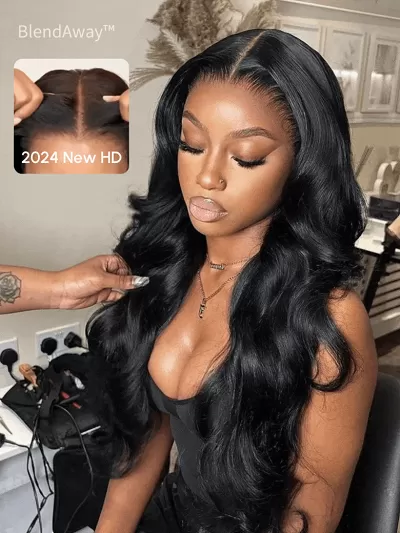
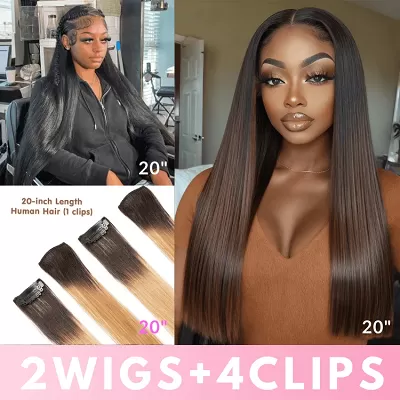
Browse glueless wigs and accessories like grip bands and caps, and check today's coupon codes before you buy.
Browse what this covers
Now you know what to look for. Find yours in a minute.
Answer five quick questions about the look you want and how you'll wear it, and we'll match you to one wig, with the reasons why and the best code to take off it.
Find my match →Or go straight to the 1,513 glueless wigs.
Or see every wig compared by lace, density and price — and before you pay, today's wig coupon codes.