Wigs as a Protective Style: How to Actually Protect Your Natural Hair
A wig can give your natural hair a real break — or quietly damage it, depending on how you wear it. How to prep, choose and wear a wig so your own hair and hairline genuinely benefit.
General guidance, not medical advice. This is written for a general audience and cannot account for your skin, your medical history or anything you are already using. It is not a substitute for a GP, dermatologist, trichologist or qualified stylist. If you have a reaction, an injury, or hair loss that is not recovering, seek proper medical attention rather than working from a web page — including this one.
Bulqq is reader-supported: when you buy through a link on this page we may earn a commission, at no extra cost to you. It never changes what we recommend — the product rows here are pulled from live listings, newest first.
Wigs are one of the most popular protective styles for natural hair, and for good reason. Done well, wearing a wig means your own hair isn't being heat-styled, manipulated, brushed or exposed to the weather every day. It can rest, keep its moisture and grow without daily wear and tear.
But "protective" isn't automatic. A wig worn with tight braids, adhesive along the edges, a cap that's never removed and hair underneath that's never moisturised can do more harm than good. Traction at the hairline, dryness, breakage and matting are all common problems — and all preventable.
This guide explains how to make a wig genuinely protective: how to prep your hair, which wigs are kindest, how to wear them, and how to care for your own hair underneath.
What makes a style "protective"
A protective style is any style that:
- Tucks your ends away, so the oldest, most fragile part of your hair isn't rubbing against clothes.
- Reduces manipulation — less combing, brushing and styling.
- Reduces heat — no daily flat-ironing or blow-drying.
- Keeps tension low — nothing pulling hard on your hairline or scalp.
- Lets you moisturise and care for your hair.
A wig can tick every box — or fail on tension and care.
Choosing a wig that's kind to your hair
Glueless wigs
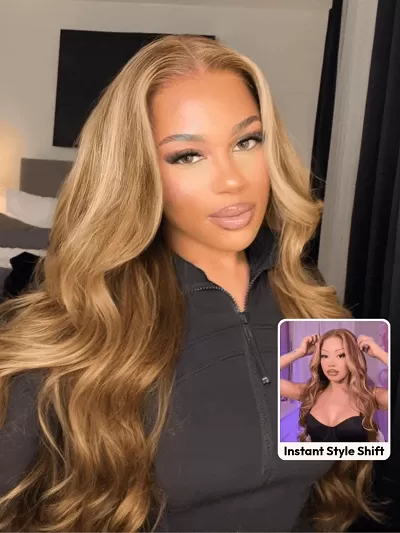
No adhesive along your hairline, and the wig comes off every night so your scalp breathes. This is the single most important choice for a protective wig. Browse glueless wigs, and read how to put on a glueless wig.
Headband wigs
No lace, no glue, nothing on your hairline but a soft band — usually with a grip band built in. See our headband wigs guide.
V-part wigs (with care)
Your own hair forms the parting. Protective if you keep the leave-out small and choose a texture that matches your hair, so you don't need daily heat on it. See our V-part guide.
Textures that match your hair
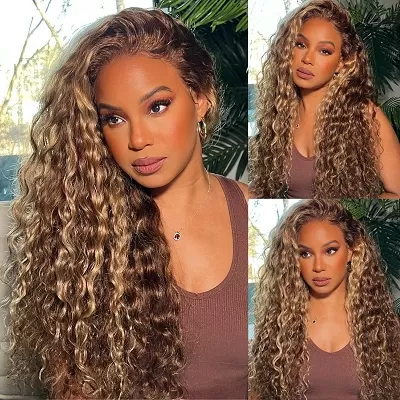
If any of your hair shows, a kinky curly or kinky straight wig blends with natural hair without heat.
A comfortable weight
Lower density and moderate length mean less weight pulling on your hair underneath.

Prepping your hair underneath
Start clean and moisturised
Wash, condition and deep condition your hair before you braid it. Apply a leave-in and a light oil or butter to seal in moisture.
Braid gently
Cornrows or flat twists going straight back are ideal. The key word is gently:
- No pain. If a braid hurts, it's too tight — redo it.
- No pulling at the edges. Leave the hairline braids looser.
- Avoid tiny, very tight braids at the perimeter.
- Don't add heavy extensions to the braids — they add weight and tension.
Protect your ends
Tuck the ends of your braids under, and make sure they're moisturised.
Wearing a wig protectively
Take it off every night
The most important habit. Your scalp needs air, and your hairline needs a break from combs, bands and caps.
Don't over-tighten
The wig and straps should feel snug, not tight. A headache or soreness at the temples is a sign to loosen up.
Use a grip band
It spreads pressure away from your edges and stops sliding without extra tightness. See wig caps, grip bands and melt bands.
Skip the adhesive
Adhesive along the edges, applied and removed repeatedly, is hard on the hairline. A glueless wig with a melt band gives a flat lace without it. If you ever use adhesive, read adhesives and safe removal and patch test first (how to patch test).
Choose a breathable cap
Mesh wig caps keep your scalp cooler.
Caring for your hair while you wear wigs
Moisturise regularly
Spray your braids and scalp with water or a water-based leave-in every few days, and seal with a light oil.
Keep your scalp clean
Cleanse your scalp every one to two weeks with a diluted shampoo or scalp cleanser applied between the braids, then rinse and dry thoroughly.
Dry completely
Braids left damp under a wig cap can develop a musty smell. Dry them fully with a hooded dryer or a cool blow dryer.
Re-braid regularly
Don't leave the same braids in too long. Many people re-braid every two to four weeks, depending on how their hair and scalp feel. Old braids can start to lock at the root and become hard to take down without breakage.
Give your hair breaks
Between protective-style periods, give your hair a week or two out, with a deep condition and gentle styling.
Night care
Wear a satin bonnet or sleep on a satin pillowcase. See protecting your wig at night.
Signs your protective style isn't protecting
Stop, loosen or give your hair a break if you notice:
- Soreness, tenderness or pain at the hairline or scalp.
- Small bumps along the hairline.
- Thinning or receding edges, especially at the temples.
- Persistent itching, flaking or redness.
- Breakage when you take your braids down.
These can be early signs of traction alopecia — hair loss caused by repeated tension. Caught early, it often recovers when the tension stops; left too long, it can become permanent. Our guide to protecting your own hairline explains the warning signs in detail. If you notice thinning that isn't recovering, or symptoms that persist, see a GP or dermatologist.
A protective wig routine
Every day:
- Wig on, snug but comfortable, with a grip band.
- Wig off at night, onto a stand.
- Satin bonnet on.
Every few days:
- Moisturise braids and scalp.
Every one to two weeks:
- Cleanse your scalp, dry completely.
- Wash the wig every 7–10 wears.
Every two to four weeks:
- Take down, wash, deep condition and re-braid your hair.
Protective style questions
Are wigs really a protective style?
They can be — if they're glueless or low-tension, taken off at night, and your own hair is moisturised and cared for underneath.
How long can I wear wigs as a protective style?
Many people wear wigs for months, re-braiding every few weeks and taking short breaks. Listen to your hair and scalp.
Can wigs cause hair loss?
Tight braids, tight wigs and repeated adhesive can cause traction alopecia. Gentle, glueless wear with nightly breaks greatly reduces the risk.
Do I need to braid my hair under a wig?
Not always — short hair can simply be brushed back, and some people use a low, flat bun. Braids keep longer hair flat and protected.
Braid patterns under a wig
The way you braid affects how flat the wig sits and how much tension is on your hair.
- Straight-back cornrows — the classic. Six to ten braids going from front to back give a flat, even base for most wigs.
- Circular or "beehive" braids — braids that spiral around the head. Very flat, and they spread tension evenly. Popular under full wigs.
- Two or four flat twists — quicker and lower-tension than cornrows, good for short to medium hair.
- A low, flat bun — for shorter hair or a quick option; keep it low and flat so it doesn't create a bump.
- Leave-out braids — for a V-part or U-part, braid everything except the leave-out section.
Whatever pattern you choose, the perimeter braids — around your hairline — should be the loosest.
A simple tension test
After braiding, check the tension:
- Look in the mirror. Your scalp shouldn't look pulled or raised around the braids, and there should be no small bumps at the base.
- Gently move your eyebrows up and down. If you feel pulling at your hairline, the front braids are too tight.
- Wait an hour. Soreness, a headache or tenderness means redo the tightest braids.
If you have braids done professionally, it's fine to ask for less tension — a good stylist will be happy to adjust.
Rotating protective styles
Wearing the same tension pattern for months concentrates stress in the same places. Many people rotate:
- Wigs with cornrows for a few weeks.
- Wigs with twists or a low bun for a few weeks.
- A break — your own hair out, moisturised and gently styled.
Rotating spreads wear and gives different areas of your scalp a rest.
Wig choice by hair length
- Short natural hair (TWA) — often doesn't need braiding at all. A wig cap over brushed hair, a grip band, and a glueless or headband wig.
- Medium hair — flat twists or a few cornrows.
- Long or thick hair — cornrows or a circular pattern to keep the volume flat. Choose a wig with a slightly larger cap if needed.
The moisture routine underneath, in detail
- Choose a water-based leave-in or a light spray — water is the moisturiser; oils and butters seal it in.
- Spray along each braid, focusing on the length, not just the scalp.
- Seal with a light oil on the braids' length and ends.
- Keep heavy creams off your scalp, where they build up and can cause itching.
- Repeat every two to four days, more often in dry weather.
Scalp care under a wig
- Itching often means dryness or build-up. A gentle scalp cleanse and lighter products help.
- Flaking can be dryness or product build-up; cleanse and use lighter products. Persistent flaking or redness is worth checking with a pharmacist, GP or dermatologist.
- A musty smell usually means braids didn't dry fully after washing or a sweaty day.
When to see a professional
General guidance has limits. Speak to a GP, dermatologist or trichologist if you notice:
- Thinning at the temples or hairline that isn't recovering after you remove tension.
- Painful bumps, pustules or redness along the hairline.
- Patches of hair loss.
- Persistent scalp itching, flaking or soreness.
Early advice makes a real difference for traction-related hair loss.
More protective style questions
Can I wear a wig over freshly relaxed or coloured hair?
Chemical processes leave your hair and scalp more vulnerable. Give your scalp time to settle, keep tension very low, and follow your stylist's advice.
Should I take my braids out between wigs?
You don't have to change braids every time you change wigs, but don't leave the same braids in for too long. Many people re-braid every two to four weeks.
Is a wig better than braids for protecting my hair?
A glueless wig taken off nightly is usually lower-tension than long-term braids with heavy extensions. The best choice depends on your hair, your routine and how gently either is done.
The short version
A wig is protective when it reduces tension, heat and manipulation and lets you care for your own hair. Choose glueless or headband wigs, braid gently, skip the adhesive, take the wig off every night, moisturise and cleanse your hair regularly, re-braid every few weeks, and watch your hairline for early signs of strain.

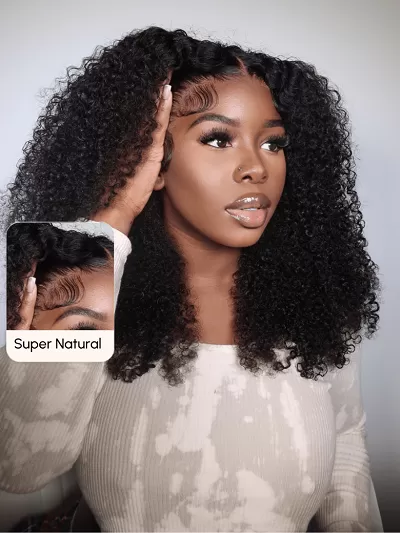

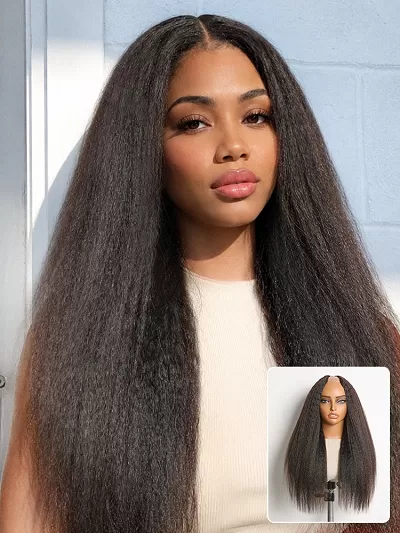
Browse glueless wigs and headband wigs, and check today's coupon codes before you buy.
Browse what this covers
Now you know what to look for. Find yours in a minute.
Answer five quick questions about the look you want and how you'll wear it, and we'll match you to one wig, with the reasons why and the best code to take off it.
Find my match →Or go straight to the 1,513 glueless wigs.
Or see every wig compared by lace, density and price — and before you pay, today's wig coupon codes.