The First Wig Starter Kit: Everything to Buy With Your First Wig
Your first wig needs a small kit to fit well, stay put and last — but not a basket of products you'll never use. Here's exactly what to buy, what can wait, and what to skip.
Bulqq is reader-supported: when you buy through a link on this page we may earn a commission, at no extra cost to you. It never changes what we recommend — the product rows here are pulled from live listings, newest first.
Buying your first wig is exciting. Then the "frequently bought together" suggestions start: adhesives, removers, tints, sprays, mousses, five types of comb, bleaching kits. It's easy to end up spending almost as much on extras as on the wig itself — and most of it sits in a drawer.
You do need a few things. A wig without a cap slides; a wig without a stand flattens; a wig washed with harsh shampoo dries out. But the essential kit is small, inexpensive and mostly adhesive-free. This guide lists exactly what to buy on day one, what can wait a month, and what you can skip entirely.
If you haven't chosen the wig yet, start with our first-wig checklist.
The essentials: buy these with your wig
1. Wig caps (a multipack)
Flatten your hair, give the wig a smooth base, and keep the inside cleaner. Choose a shade close to your skin tone, so the cap looks like scalp under the lace. A multipack lasts a long time.
2. A grip band
A soft, velvet band that goes around your hairline under the wig. It stops sliding, gives combs something to grip, and spreads pressure away from your edges. Especially useful for glueless wigs.
3. A melt band (if your wig doesn't have one built in)
A wide elastic band you put on for 10–20 minutes after fitting to press the lace flat — without glue. The most useful tool for laying lace.
Read our guide to wig caps, grip bands and melt bands for how each one works.
4. A wide-tooth comb
For detangling without breakage. Your everyday tool.
5. A wig stand
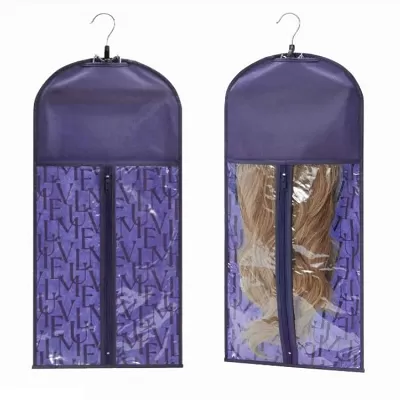
Stores the wig in shape overnight and lets it air-dry after washing. A collapsible, ventilated stand is inexpensive and practical. See wig stands and storage.
6. Sulfate-free shampoo and a moisturising conditioner
Wig hair gets no oil from a scalp, so it needs gentle cleansing and plenty of moisture. Our guide to the best shampoo and conditioner for human hair wigs explains what to look for.
7. A satin bonnet or silk scarf
For your own hair at night, and for wrapping the wig if you ever sleep in it. See protecting your wig at night.
That's the whole essential kit. Everything on it is adhesive-free, reusable and inexpensive.

Nice to have: buy within the first month
Leave-in conditioner
Adds lightweight moisture after washing and helps detangling. Essential for curly and wavy wigs.
A heat protectant
If you'll use a flat iron or curling iron, you need one every time. Read heat tools for human hair wigs.
A deep conditioning mask
Every week or two keeps wig hair soft, especially for curly, coloured or heat-styled wigs.
A soft edge brush
For styling baby hairs and blending the hairline. A soft toothbrush works.
Sectioning clips
For washing, detangling and styling in sections.
Foundation or powder for the lace
Probably already in your make-up bag. A dab on the underside of the lace, or powder on top, blends it with your skin.
You'll find leave-ins, masks and protectants in our hair care category.
Texture add-ons
For curly, deep wave and water wave wigs
- Spray bottle for daily refreshing.
- Curl cream, gel or mousse for definition.
- Microfibre towel or a cotton T-shirt for blotting.
- Diffuser attachment if you'll use a blow dryer.
See our curly wig wash day routine.
For straight wigs
- A soft paddle brush.
- A light serum for frizz and shine.
- A flat iron with adjustable temperature if you'll style it.
For blonde wigs
- Purple shampoo, used occasionally, to keep brassiness in check.
What to skip (for now)
Adhesives and removers
Glues and tapes bring patch testing, removal technique and hairline risks. A well-fitted glueless wig with a grip band and melt band holds securely without them. If you ever want to use adhesive, read adhesives and safe removal and patch testing first.
Bleach kits
Bleaching knots is a chemical process that can ruin a wig. Buy bleached knots done instead. See our bleached knots guide.
Lace tints and dyes
Make-up does the job without chemicals. See matching lace colour to your skin tone.
A full heat-tool set
Start with one tool you'll actually use — usually a flat iron with adjustable temperature.
Professional-grade everything
You don't need it to start. Buy better versions of the things you use most once you know what those are.
A sample starter basket
Essentials:
- Wig caps (multipack, your skin tone)
- Velvet grip band
- Melt band
- Wide-tooth comb
- Collapsible wig stand
- Sulfate-free shampoo
- Moisturising conditioner
- Satin bonnet
Add in month one:
- Leave-in conditioner
- Heat protectant (if styling)
- Deep conditioning mask
Pairing the kit with the right first wig
The kit works best with a wig that's easy to wear:
- Glueless — no adhesive needed.
- Pre-cut lace — no trimming.
- Pre-plucked with bleached knots — no customising.
- A closure or 7x5 — less lace to lay.
Browse glueless wigs, or read how to put on a glueless wig to see how the kit fits into a fitting routine.
Starter kit questions
Do I really need a wig cap?
For lace wigs, yes. For a headband wig over short, flat hair, sometimes not.
Is a grip band necessary?
Not always, but it's the easiest fix for sliding and makes long days more comfortable.
Can I use my normal shampoo?
If it's sulfate-free and moisturising, yes. Strong clarifying or sulfate shampoos dry wig hair out.
What's the one thing people forget?
A wig stand. Without one, wigs end up flattened and tangled.
How to use the kit on day one
Here's how the essentials come together the first time you wear your wig:
- Unbox the wig and let it rest on the stand for a few minutes. Shake it out gently.
- Detangle lightly with the wide-tooth comb, from the ends up.
- Prepare your own hair — flat braids or a low, flat bun.
- Put on a wig cap in your skin tone.
- Add the grip band around your hairline.
- Adjust the wig's straps before putting it on.
- Fit the wig and secure the combs.
- Put the melt band on for 10–20 minutes while you do your make-up.
- Blend the lace with a dab of foundation or powder.
- Style the hair.
At the end of the day, take the wig off, detangle it onto the stand, and put your satin bonnet on your own hair. Our glueless fitting guide goes through each step in detail.
Kit by budget
Minimum kit (the absolute basics):
- Wig caps
- Wide-tooth comb
- A wig stand
- Gentle shampoo and conditioner
Comfortable kit (recommended):
- Everything above
- Grip band
- Melt band
- Satin bonnet
- Leave-in conditioner
Complete kit (if you'll style and customise):
- Everything above
- Heat protectant and a flat iron with adjustable temperature
- Deep conditioning mask
- Canvas block head with a clamp
- Sectioning clips and a soft edge brush
How long each item lasts
- Wig caps — stretch out over time; replace when they stop holding your hair flat. A multipack goes a long way.
- Grip band — many months with regular washing.
- Melt band — many months; replace when the elastic weakens.
- Wide-tooth comb and stand — years.
- Satin bonnet — replace when it loses its elastic or starts to slip.
- Shampoo and conditioner — depends on how often you wash; usually several months for one wig.
Gifts for someone starting out
If someone you know has just bought their first wig, the kit makes a thoughtful, no-sizing-risk gift:
- A pretty satin bonnet or silk scarf.
- A good wig stand or block head.
- A set of caps, a grip band and a melt band.
- A wig-friendly hair care set.
Where to find everything
All of the essentials are in our accessories and hair care categories. Our wig caps, grip bands and melt bands guide explains each fitting tool, our wig stands and storage guide covers stands, and our night care guide covers bonnets and pillowcases.
Common starter-kit mistakes
- Buying a cap that doesn't match your skin tone. It shows through the lace.
- Skipping the stand. The wig ends up flattened and tangled.
- Buying an adhesive "just in case". It tends to get used before you're ready. Learn glueless first.
- Using your regular clarifying shampoo. Too harsh for wig hair.
- Buying a full heat-tool set. Start with one adjustable flat iron, if any.
More starter kit questions
Can I use a regular comb?
A wide-tooth comb is gentler and causes less breakage. Fine-tooth combs are useful for creating a parting, not for detangling.
Do I need a mannequin head or a stand?
A ventilated stand is enough for everyday storage and drying. Add a block head if you plan to cut or heat style your wig.
What's the single most important item?
For lace wigs, the melt band — it's the difference between lace that lifts and lace that lies flat without glue.
The starter kit, matched to your first wig
If your first wig is a headband wig
- Essentials: wide-tooth comb, stand, gentle shampoo and conditioner, satin bonnet, a spare headband or two.
- Skip for now: melt band (no lace), wig caps (unless your hair needs flattening).
If your first wig is a V-part or U-part wig
- Essentials: wide-tooth comb, stand, shampoo and conditioner, satin bonnet, a heat protectant if you'll stretch your leave-out, a leave-in for your own hair.
- Skip for now: melt band.
If your first wig is a glueless closure or 7x5
- Essentials: the full list — caps, grip band, melt band, comb, stand, shampoo and conditioner, bonnet.
- Add soon: leave-in, mask, a soft edge brush.
If your first wig is a 13x4 lace front
- Essentials: the full list, plus foundation or powder for blending the longer lace.
- Add soon: heat protectant and a flat iron with adjustable temperature, if you'll style it.
Whatever you choose, the principle is the same: buy what helps the wig fit, stay put and stay soft — and leave anything chemical until you genuinely need it.
The short version
Your first-wig kit is small: wig caps, a grip band, a melt band, a wide-tooth comb, a stand, gentle shampoo and conditioner, and a satin bonnet. Add a leave-in, a heat protectant and a mask in the first month. Skip adhesives, bleach and tints until you're sure you need them.

Build your kit from our accessories and hair care categories, and check today's coupon codes before you buy.
Browse what this covers
Now you know what to look for. Find yours in a minute.
Answer five quick questions about the look you want and how you'll wear it, and we'll match you to one wig, with the reasons why and the best code to take off it.
Find my match →Or go straight to the 65 clip-ins & accessories.
Or see every wig compared by lace, density and price — and before you pay, today's wig coupon codes.